
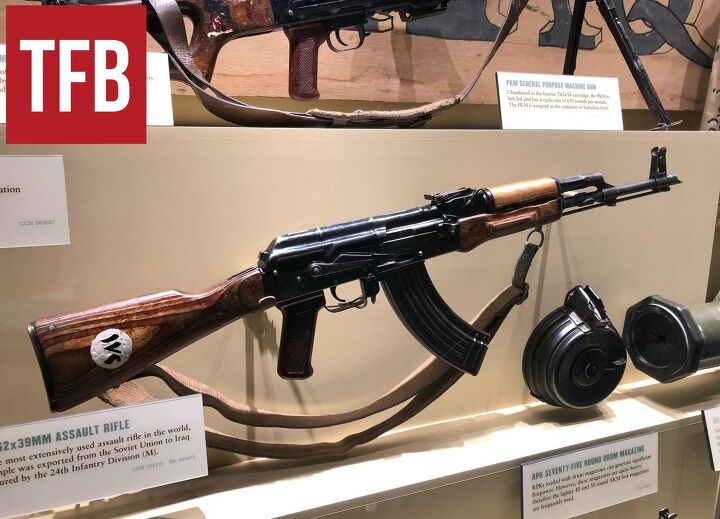
The AK rifle has earned a reputation as one of the most widely produced and reliable firearms ever made. Designed by Mikhail Kalashnikov in the years following World War II, the platform has served military forces, law enforcement agencies, and civilian shooters across the globe for decades. Its gas system, generous clearances, and relatively simple design allow it to continue functioning in conditions that might disable more tightly fitted firearms. Its fairly open front trunnion and the two locking lugs are also simpler and easier to clean out and get back in the fight.
Despite this reputation, no weapon system is immune to wear, abuse, neglect, or poor maintenance. Like any firearm, the AK has components that experience stress, wear, and, over time, can eventually fail, as everything does. Understanding these common failure points helps maintainers and operators recognize normal wear, identify potential issues during routine inspection, and appreciate the engineering tradeoffs that make the rifle so durable. This article may be useful for forward special maintainers and operators training partner forces.
Extractor Wear
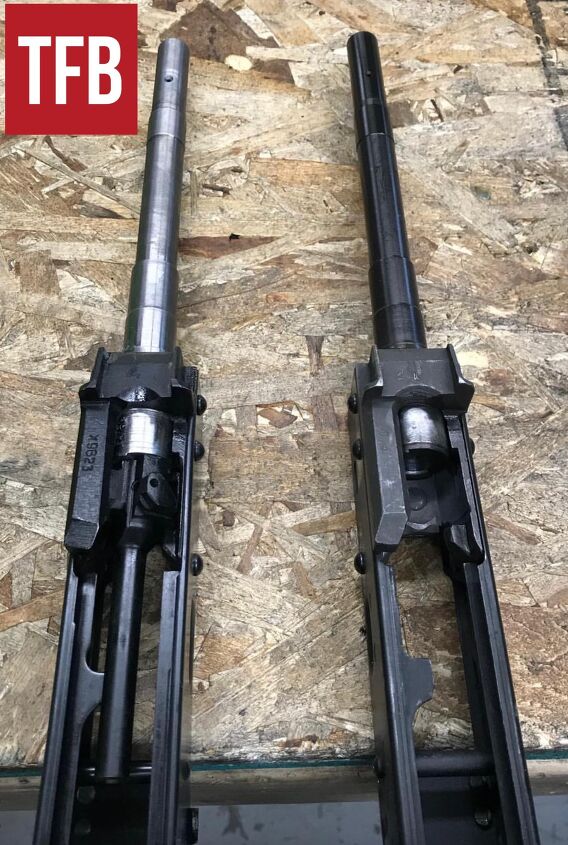
One of the most heavily stressed parts in any semi-automatic or automatic rifle is the extractor. During every firing cycle, the extractor grips the rim of the cartridge case and pulls it from the chamber. It must be noted that every manufacturer produced them at different quality levels, which affects durability; the same goes for all the components I will cover in this article.
Over thousands of rounds, the extractor claw can gradually wear. Damaged cartridge rims, poor-quality ammunition, or a poor-quality extractor may accelerate this process. A worn extractor may begin to slip off the case rim, leading to failed or inconsistent extractions. Another aspect is the tapered design of the 7.62×39 cartridge, which also aids extraction. Even a worn extractor is assisted by the cartridge and chamber design; this only helps if you keep your chamber clean. Fortunately, the AK extractor is typically robust and relatively easy to replace. So inspect the extractor every time you clean your AK and conduct PMCS.
Extractor Spring Fatigue
The extractor depends on spring tension to maintain a firm grip on the cartridge case. Although extractor springs generally last a long time, repeated compression cycles eventually reduce spring force. As manufacturers produce springs to different standards, I recommend replacing all the springs after 5000-8000 rounds. Symptoms of spring fatigue may include weak extraction or occasional extraction failures. Routine inspection during cleaning can reveal weakened or damaged springs before they cause reliability problems.
FCG springs
The hammer spring is another spring that wears out and can cause light strikes. The disconnect spring tends to shorten over time and stop working properly. During PMCS checks, you should replace your springs around 5000-8000 rounds.
Recoil Spring Fatigue
The recoil spring returns the bolt carrier forward after each shot. As round counts accumulate, recoil springs gradually lose some of their original strength. While the AK often continues to function despite surprisingly worn springs, excessive fatigue may eventually affect cycling consistency or bolt closing force. This can also be seen as recoil seems to increase as the carrier hits the rear trunnion harder. This can lead to cracked receivers or overtime, especially with lower-quality AKs. Replacing a worn recoil spring is routine preventive maintenance on rifles with very high round counts. All the springs in any are consumable and must eventually be replaced, typically after 5000-8000 rounds.
Firing Pin Issues
The AK firing pin on the standard rifle is free-floating within the bolt, whereas some other manufacturers use a spring-loaded firing pin. This design contributes to reliability but also requires the firing pin channel to remain relatively clean. Corrosion or primer bits may restrict firing pin movement. In rare cases, debris inside the bolt can interfere with freedom of movement. If not inspected, the firing pin could lock in the rear or forward position; the forward position could lead to an out-of-battery detonation. Regular bolt cleaning helps minimize these issues. Verify that the firing pin moves freely, whether free-floating or spring-loaded.
Bolt Wear
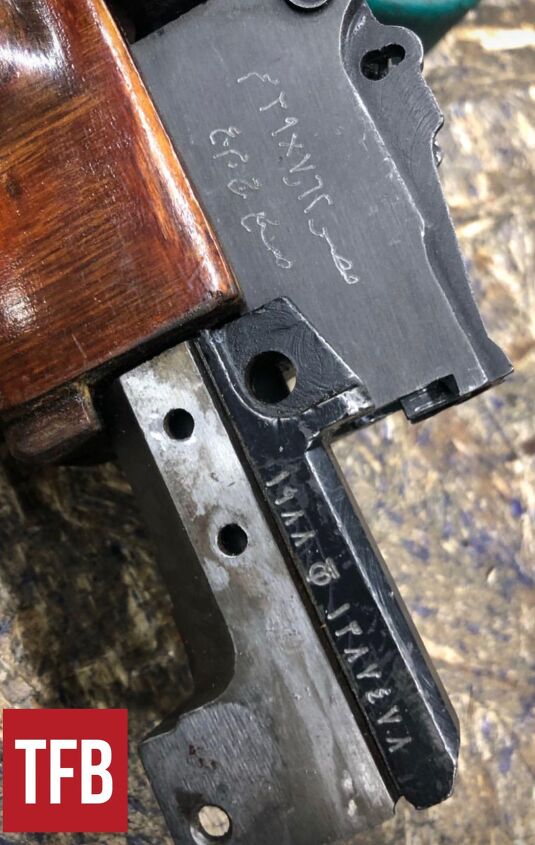
Each time the rifle fires, the locking lugs and locking shoulders absorb substantial pressure. Under normal conditions, lug wear occurs slowly. However, poor heat treatment, improper headspace, or high round counts accelerate wear. During inspection, examine the locking surfaces for unusual peening or cracks. Don’t forget to inspect the bolt camming lug; it also wears as it cams in the bolt carrier. Proper lubrication can reduce unnecessary friction between these moving parts.
Rivet Problems
As you already know, stamped AK receivers use rivets. For the most part, AKs have decent rivets, but not all manufacturers adhere to that standard. So rivets must also be inspected during PMCS. If rivets were improperly installed during manufacturing or rebuilding, they may gradually loosen over time. Loose rivets can allow unwanted movement between the receiver and trunnions. High-quality factory rifles rarely experience this issue early in their service life, but poorly assembled rifles may develop problems sooner.
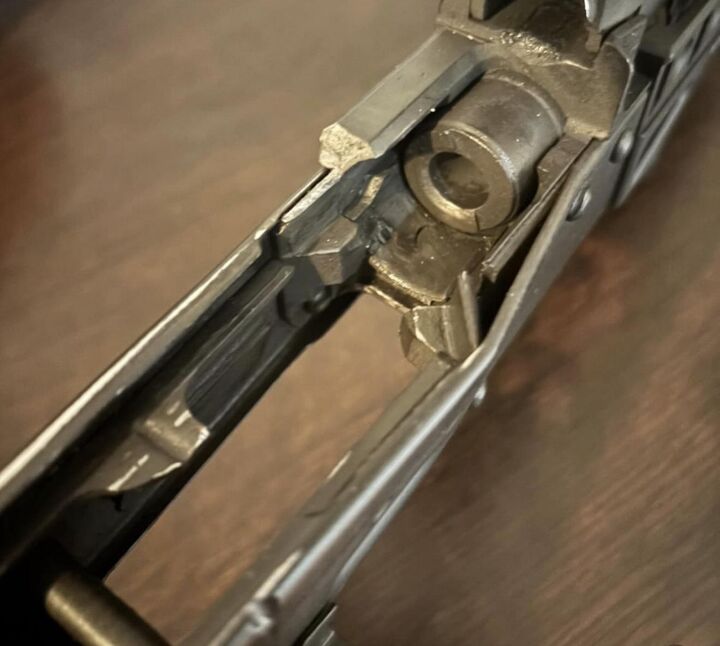
Trunnion Cracking
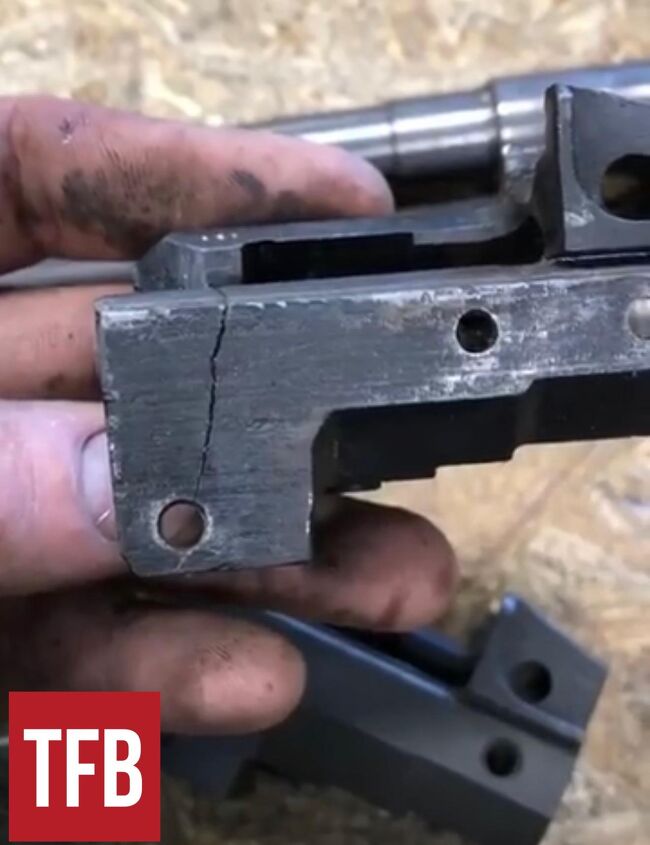
One of the biggest issues with the AK design is a weak front trunnion; the right locking shoulder area is relatively thin, so if there’s any issue or out-of-battery detonation, it will crack on the right side. The front trunnion locking shoulders experience enormous forces from the bolt. Cracks may develop after extremely high round counts, manufacturing defects, worn headspace, and especially during an out-of-battery detonation. Routine inspection for visible cracks is important to catch issues before they worsen. So, it’s a good idea to keep your weapon clean, as it makes it easier to see cracks and worn components.
Receiver Cracks
Receiver damage is relatively rare, but it happens, especially with poorly produced AKs or those that lack maintenance. Stress concentrations near rivets, ejector rails, and heavily worn areas can eventually lead to cracks, particularly if the rifle has been subjected to unusually harsh use or improper maintenance. It’s important to replace your recoil/main spring to help prevent the bolt carrier from hitting the rear of the receiver too hard.
Gas Block Wear
The AK’s long-stroke gas piston is exceptionally durable. But uncoated gas blocks can corrode over time when exposed to corrosive ammunition if not cleaned properly, allowing gas to bypass the piston and reducing the amount of gas that cycles the weapon as the blocks erode.
Ejector Wear
The AK ejector is an integral part of the receiver rail. After years of extensive firing, the ejector tip will gradually wear. Excessive wear can affect ejection consistency by altering how the empty case contacts the ejector during cycling. A receiver with a worn ejector requires receiver replacement.
Corrosion
Although many AK variants feature protective finishes, corrosion remains one of the greatest long-term threats to any firearm. Improper storage, exposure to moisture, or failure to clean after firing corrosive primer ammunition can eventually damage internal components. Regular cleaning, light lubrication, and dry storage significantly reduce the risk of corrosion. Touching on corrosion, don’t use ammunition with rust on it; it can cause a squib with moisture-compromised powder or cause an out-of-battery detonation by adding a few thousandths of an inch to your headspace, potentially preventing the bolt from locking fully.
Manufacturing Quality Differences
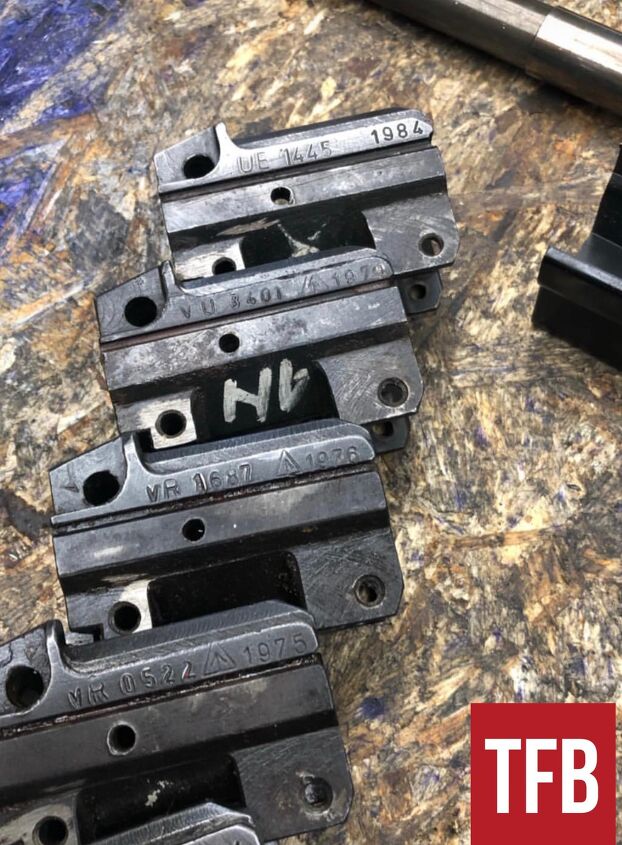
Not all AK rifles are built to the same standard. Rifles produced for the military by reputable factories generally undergo strict quality control, while some commercial rifles may exhibit inconsistent heat treatment, improperly installed rivets, or greater dimensional variation. Careful inspection before purchase and routine maintenance afterward can help identify manufacturing-related concerns early. Those of you working with AKs overseas with partner forces are generally using higher quality AKs, but still use this guide to keep them in the fight.
Conclusion
The AK rifle’s legendary durability is well deserved but sometimes exaggerated; it should not be mistaken for indestructibility. Most common failure points involve springs and normal mechanical wear rather than inherent design flaws. However, the right locking shoulder is borderline a design flaw, which is why Yugoslavia beefed it up and improved it across their entire product line by using a bulged front trunnion inspired by the Soviet RPK. Extractors, recoil/main springs, magazines, rivets, and locking components all experience stress throughout the rifle’s service life and benefit from periodic inspection. The older the AK is, the better it was built; it seems to have been built to a higher standard than today.
With proper maintenance, good ammunition, routine cleaning, and replacement of worn consumable parts, the AK will continue to operate reliably through tens of thousands of rounds. Their enduring reputation stems not from immunity to failure, but from a design that remains remarkably tolerant of neglect, wear, and harsh operating conditions compared with many other service rifles. These are the basics for any firearm, and I will cover the rest possibly in a separate article.