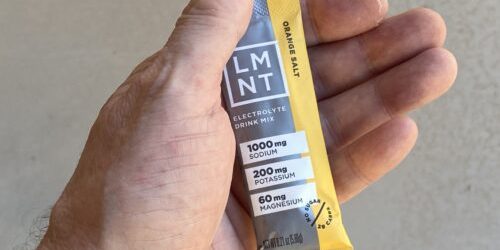
LMNT has been receiving significant attention in the media and among endurance athletes, largely because of its high‑sodium formulation and minimalist ingredient profile. As someone who frequently trains in what could best be described as extreme heat, I’m acutely aware of how quickly dehydration and electrolyte loss can undermine performance and recovery. Proper hydration, especially sodium and mineral replacement, is essential in these conditions, so when LMNT began gaining traction, I decided to evaluate it firsthand to see whether its high‑sodium, no‑sugar formulation could meet the demands of my training environment.
For transparency, LMNT did not provide me with product or compensation for this review. The opinions in the article are entirely my own.
Electrolyte supplements have become increasingly popular among athletes, outdoor workers, and individuals following low‑carbohydrate diets, largely because hydration involves more than simply drinking water. LMNT is one of the most recognizable products in this category, available both as mix‑in powder packets and as ready‑to‑drink cans. It is known for its high sodium content and minimalist ingredient profile.
Electrolytes (sodium, potassium, magnesium, calcium, and chloride) play essential roles in maintaining fluid balance, nerve conduction, muscle function, and acid–base stability. During exercise or heat exposure, these minerals are lost primarily through sweat, and inadequate replacement can lead to dehydration, muscle cramps, dizziness, and impaired performance. Sodium is particularly important because it is the primary regulator of extracellular fluid volume and plasma osmolality, making it central to hydration physiology (Hall & Guyton, 2016).
Sodium Loss Through Sweat
Scientific measurements show that sweat contains substantial sodium concentrations. Typical sweat sodium ranges from 400–1,000 mg/L, while some individuals, often called “salty sweaters,” lose 1,500–2,000 mg/L (Baker et al., 2016). Sweat rates during exercise can reach 0.5–2.5 liters per hour, depending on heat, intensity, and individual physiology (Casa et al., 2000). For example, an athlete sweating 1.5 liters per hour with a sodium concentration of 900 mg/L loses approximately 1,350 mg of sodium per hour, more than half the recommended daily intake.
Several factors increase sodium loss, including high heat, humidity, intense exercise, large body size, and low‑sodium diets. Genetics also play a role, as some individuals naturally excrete more sodium (Maughan & Shirreffs, 2008). Replacing sodium is essential because it drives water absorption and retention.
Without adequate sodium, blood volume drops, heart rate rises, and performance declines. In extreme cases, insufficient sodium intake during prolonged exercise can contribute to exercise‑associated hyponatremia, a dangerous condition characterized by low blood sodium levels (Hew‑Butler et al., 2015). This physiological reality explains why high‑sodium electrolyte formulas are beneficial for certain populations.
LMNT’s Formulation and Purpose
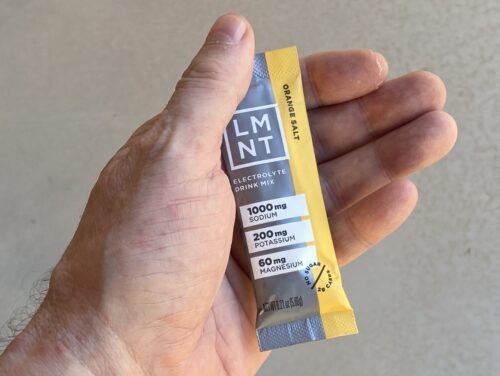
LMNT is designed around the principle that many people, especially athletes, heavy sweaters, and individuals following low‑carbohydrate diets, require more sodium than typical hydration products provide. Each LMNT packet contains 1,000 mg sodium, 200 mg potassium, and 60 mg magnesium, with no sugar, artificial sweeteners, or preservatives. The formulation is intentionally simple, catering to users who want rapid electrolyte replacement without added carbohydrates.
The high sodium content aligns with the needs of endurance athletes, outdoor workers in hot climates, and people following ketogenic or fasting protocols. Low‑carbohydrate diets reduce insulin levels, which in turn lowers aldosterone and increases sodium excretion (Phinney & Volek, 2012). For these individuals, LMNT can help prevent symptoms such as fatigue, headaches, and muscle cramps that arise from electrolyte depletion. LMNT is also third‑party tested for purity and mineral content, adding reassurance for users who prioritize clean ingredients.
Taste, Mixability, and User Experience
LMNT can best be described as salty, which is expected given its sodium concentration. Many users prefer to dilute a packet in 24 to 32 ounces of water rather than the standard 16 ounces, especially when first trying the product.
I’ve found that LMNT mixes easily without clumping, and the fruit‑forward flavors such as Watermelon Salt and Grapefruit Salt taste surprisingly refreshing, almost like summer drinks. Some of the more unconventional options, including Chocolate Caramel, appeal to me when I want something different, and I can see them being a great fit for anyone who enjoys unique electrolyte flavors.
Benefits and Limitations
The primary benefit of LMNT is its ability to support hydration in situations where sodium loss is high. Its clean formulation makes it appealing to people who avoid sugar or artificial additives, and its single‑serving packets offer convenience for travel, training, or work. However, LMNT’s high sodium content is also its main limitation.
A single LMNT packet contains 1,000 mg of sodium, which is about 43% of the American Heart Association’s recommended daily limit of 2,300 mg. This level may be excessive for individuals with typical sodium needs or for those managing hypertension or cardiovascular conditions. LMNT’s sodium‑to‑potassium ratio of roughly 5:1 is also higher than common dietary and physiological ratios, so it may not suit users looking for a more balanced electrolyte profile. Cost is another consideration, as LMNT is priced slightly higher than many competing electrolyte powders and ready‑to‑drink options.
Who Should and Should Not Use LMNT
LMNT is best suited for endurance athletes, heavy sweaters, people who work or train in hot environments, and individuals following ketogenic or fasting diets. These groups often experience substantial sodium losses or have increased sodium needs, making rapid replacement beneficial. LMNT may also be helpful for people who are prone to cramping or who experience low blood pressure during exercise. Conversely, LMNT is not recommended for individuals who need to limit sodium intake or those who already consume a high‑sodium diet. For these users, lower‑sodium or more balanced electrolyte formulas may be more appropriate.

Final Thoughts
LMNT is a well‑formulated electrolyte mix designed for users with elevated sodium needs. Its high sodium content, clean ingredient profile, and ease of use make it effective for hydration in demanding conditions. However, LMNT is not universally appropriate, and its benefits depend heavily on individual physiology, sweat rate, diet, and training environment. Understanding sodium loss through sweat is essential for determining whether LMNT is the right choice. For some, it provides exactly what their body requires; for others, a lower‑sodium or more balanced electrolyte powder may be a better fit.
LMNT is available in two convenient formats, which makes it easy to use whether I’m training at home or out in the heat. The standard option is the single‑serve powder packets that I can mix with water in whatever concentration works best for me. They’re lightweight, portable, and simple to throw into a gym bag or hydration pack. LMNT has also expanded into ready‑to‑drink cans, which offer the same electrolyte profile without any mixing required. I’ve found the canned version useful on days when I’m rushing out the door or when I want a cold drink immediately after a workout. Having both powder packets and pre‑mixed cans gives me flexibility to stay hydrated in different training situations.
Disclaimer
This review is based on my personal experience and the scientific literature available at the time of writing. It is intended for informational purposes only and should not be interpreted as medical advice, diagnosis, or treatment guidance. Hydration and electrolyte needs vary from person to person, and anyone with underlying health conditions or questions about sodium intake should consult a qualified healthcare professional before making changes to their hydration or nutrition routine.
References
American Heart Association. (2024). Sodium and heart health. https://www.heart.org
Baker, L. B., Barnes, K. A., Anderson, M. L., Passe, D. H., & Stofan, D. A. (2016). Normative data for regional sweat sodium concentration and whole-body sweating rate in athletes. Journal of Athletic Training, 51(9), 678–686.
Casa, D. J., Armstrong, L. E., Hillman, S. K., Montain, S. J., Reiff, R. V., Rich, B. S., Roberts, W. O., & Stone, J. A. (2000). National Athletic Trainers’ Association position statement: Fluid replacement for athletes. Journal of Athletic Training, 35(2), 212–224.
Hall, J. E., & Guyton, A. C. (2016). Guyton and Hall textbook of medical physiology (14th ed.). Elsevier.
Hew‑Butler, T., Rosner, M. H., Fowkes‑Godek, S., Dugas, J. P., Hoffman, M. D., Lewis, D. P., Maughan, R. J., Miller, K. C., Montain, S. J., Pahnke, M. D., Roberts, W. O., & Rogers, I. R. (2015). Statement of the Third International Exercise‑Associated Hyponatremia Consensus Development Conference. Clinical Journal of Sport Medicine, 25(4), 303–320.
Maughan, R. J., & Shirreffs, S. M. (2008). Development of hydration strategies to optimize performance. Sports Medicine, 38(1), 1–12.
Phinney, S. D., & Volek, J. S. (2012). The art and science of low carbohydrate performance. Beyond Obesity LLC.
The post Putting LMNT High‑Sodium Hydration Formula to the Test: A Science‑Based Review appeared first on Spotter Up.