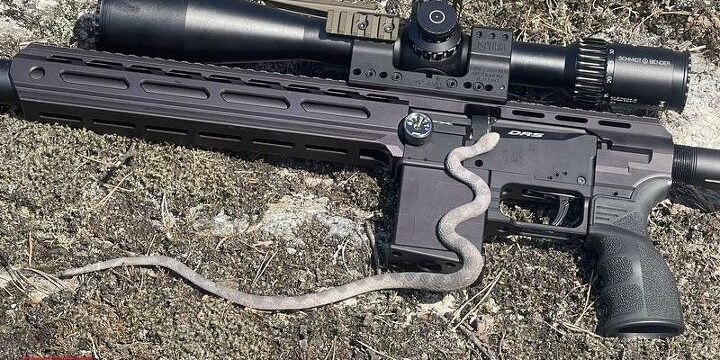
This is an air rifle review, and I know what you’re thinking. Stick with me. If you’ve ever wanted to practice AR-15 manipulations in your backyard, run drills without burning through expensive ammunition, introduce your kids to shooting on a platform they’ll immediately recognise, or simply train somewhere quieter than a range, the FX DRS Tactical deserves your full attention. I had mine for almost a year, and here’s my conclusion.
Background: What Is FX Airguns?
FX Airguns is a Swedish manufacturer that has been building high-end pre-charged pneumatic (PCP) air rifles since the late 1990s. They are widely regarded as one of the most technically sophisticated airgun makers in the world, the kind of company that serious precision shooters follow closely.
Their lineup includes rifles that compete on the international field target and precision rimfire circuit, and they have a long reputation for tight quality control and genuine innovation.
The DRS platform (which stands for Direct Regulated System) is one of their flagship designs. The DRS Tactical is the newest member of that family, released in early 2025, and it’s the first in the DRS line designed explicitly to look and feel like an AR-15. It sits between the DRS Classic (a traditional sporter rifle) and the DRS Pro (a competition-focused, high-performance variant that took first and second place at RMAC PMC on its debut).
As soon as it was released, I wanted to get one, and the version I got was a caliber .22 (5.5mm), with a 500mm compact barrel in a sub-12 FPE configuration. I don’t regret getting one, that’s for sure.
A Word on Power Levels and Local Legislation
In many European countries, air rifles are subject to legal power limits without a firearms certificate. The standard threshold in many jurisdictions is 12 foot-pounds (approximately 16 joules) of muzzle energy. The DRS Tactical is available in both sub-12 FPE and full-power (FAC) configurations.
This is not a compromise. The sub-12 FPE tune is a deliberate factory setup, regulated and consistent from the factory. It is entirely appropriate for target shooting, pest control at close ranges, and – as we’ll discuss – as an introduction platform for new and young shooters. The sub-12 configuration also delivers a dramatically higher shot count: approximately 250 shots per fill in .22, compared to around 122 shots at full power. That’s more than 17 full magazines from a single fill, which is a very practical number for a training or range session.
If your local legislation permits full-power airguns with the appropriate certification, the DRS Tactical is available in configurations delivering up to 78 ft-lbs in .22. But for this review, we’re running it as the majority of European shooters will: sub-12, legal, and still remarkably capable.
First Impressions: Out of the Box
The box arrives and you immediately notice the weight, or rather, the lack of it. In .22 with the 500mm barrel and the AR-15 carbine stock fitted (optional, buy your own), the rifle comes in well under 3 kg. Scope it up and you’re still light by most standards.
The fit and finish are excellent across the board. The hard black anodizing on the aluminium is flawless, no tooling marks, no sharp edges. The machining is clean where it counts: the barrel-to-action interface, the rail mating surfaces, the trigger guard. This is made in Sweden, and it shows.
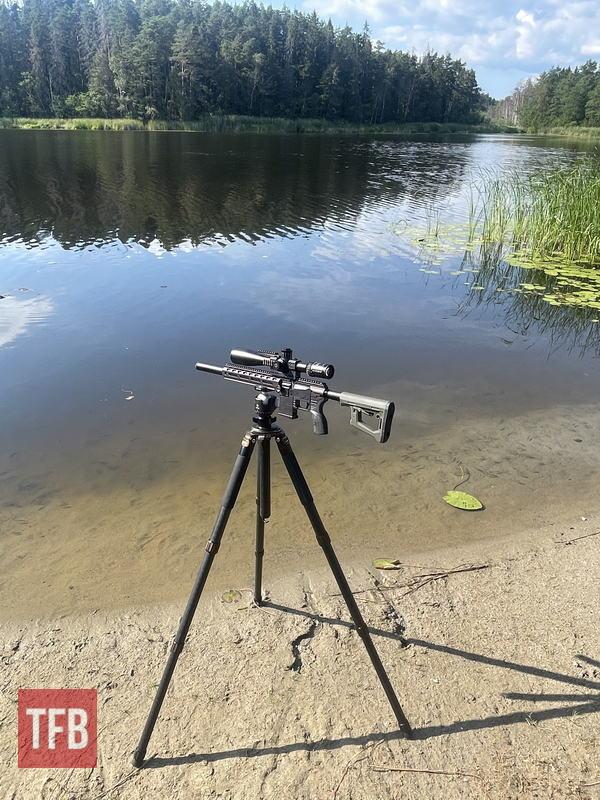
The rifle ships without a buttstock, which is why its base price is lower than competitors that bundle a fixed stock. What it includes is the receiver, the handguard, a Mil-Spec buffer tube adapter, and the FX UG1 pistol grip, everything you need to attach any standard AR-15 compatible furniture. We fitted a standard AR carbine stock, which clicked straight on to the Mil-Spec buffer tube adapter with no fuss.
The AR-15 Design – How Faithful Is It?
This is the central question for an audience of AR-15 shooters, so let’s be direct: the DRS Tactical is the most convincingly AR-15-shaped air rifle on the market right now. FX didn’t just slap a pistol grip and a Picatinny rail on a traditional airgun chassis. They built the entire platform around the AR ergonomics. I have a hard time with the strange-looking and enormous gas tubes on many air rifles, and you won’t find them on the DRS.
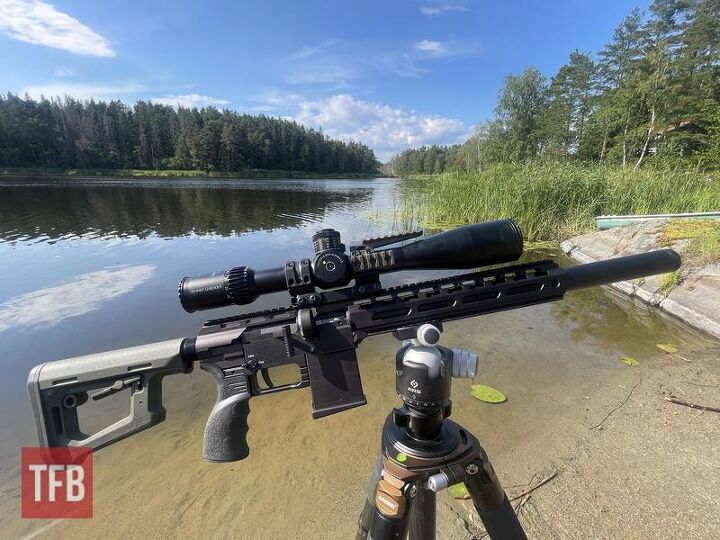
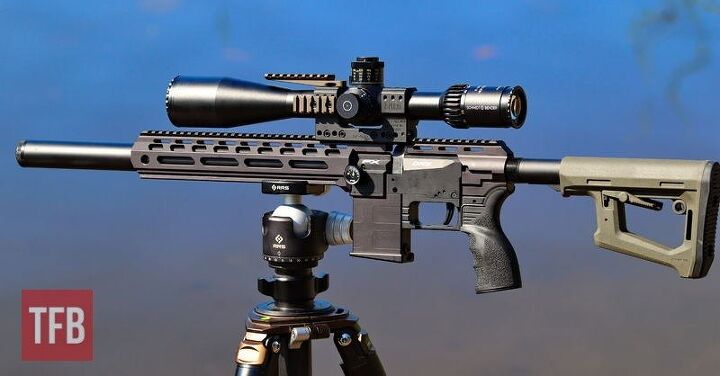
The proportions are right. The 500mm (19.7″) barrel, combined with the integrated muzzle cap and the enclosed handguard, gives the rifle the visual profile of a suppressed 5.56 carbine. The plenum chamber (which holds pressurised air for the shot cycle) is housed in a box-magazine-shaped housing in front of the trigger guard, visually recreating a .223 STANAG magazine beneath the action. It’s not just cosmetic; that housing is functional. But the visual effect is striking and immediately recognisable to any AR shooter.
The handguard is a full-length, octagonal free-floating design that runs over the barrel and air cylinder assembly. It features a full-length Picatinny rail on top with over 450mm of usable scope mounting space, an ARCA rail along the bottom for tripod or bipod attachment, plus M-LOK slots along the sides. QD sling swivel points are built in. The square forend profile clamps extremely well in a standard tripod head or bipod saddle. PRS and DMR shooters will feel just at home, and can use the same bipods and tripods as usual.
The pistol grip is the FX UG1, the same unit found on the FX Impact M4. It has moulded finger grooves, a stippled rubberised over-mould, and an ambidextrous palm swell. It connects via a standard AR-15 pattern, meaning any AR grip you own will swap straight in. The trigger guard is machined directly into the aluminium chassis.
The safety is a two-position flip lever positioned just above and to the right of the trigger, the standard AR location. One important note for right-handed AR-15 shooters: the direction of travel is reversed from what you may be used to. Down is safe, up is fire, rather than the AR-15’s push-forward-to-fire convention. It is not dangerous really, just requires a brief mental recalibration in the first few sessions. I wish they could have gone for a traditional AR safety, but it’s not exactly difficult to get used to.
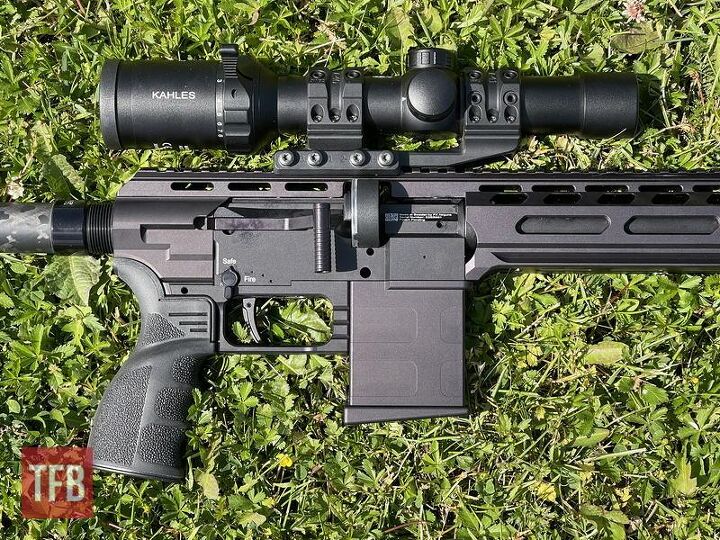
The side-lever charging handle is on the right side of the action. It operates with a smooth, short toggle stroke. Left-handed shooters will find this the most limiting aspect of the platform, as the charging handle cannot be reversed.
The DRS Engineering: Barrel Through the Cylinder
Here is where the DRS Tactical gets genuinely interesting from a mechanical standpoint. FX’s DRS system routes the barrel liner through the centre of the pressurised air cylinder. The air cylinder wraps around the barrel rather than sitting alongside it, which is how most traditional PCPs are built.
The result is a rifle that is exceptionally rigid. The pressure tube has a 34.4mm diameter, and when you mechanically merge the barrel, the cylinder, and the action block at multiple contact points, you get a chassis stiffness that is very difficult to achieve with a conventional layout. The barrel doesn’t flex relative to the action. There is no lateral play. Barrel harmonics are one of the primary accuracy variables in precision shooting, and the DRS architecture is specifically engineered to minimize them.
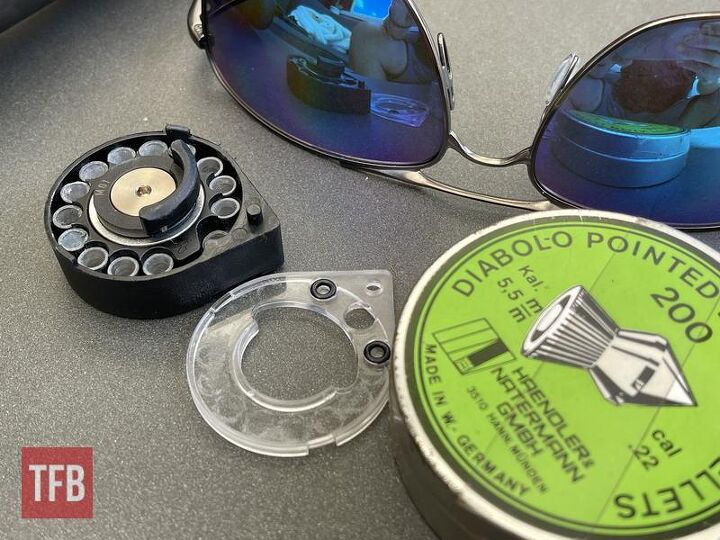
In .22 with the 500mm barrel, the air cylinder holds 210cc at a maximum fill pressure of 230 bar (3,335 PSI). The rifle uses FX’s AMP MKII (Adjustable Modular Pressure) regulator, which maintains consistent pressure to the valve across the full shot string. This is what produces the flat velocity curve that sub-12 shooters benefit from enormously. Consistent energy, shot after shot, with virtually no power curve rise and fall as the cylinder empties.
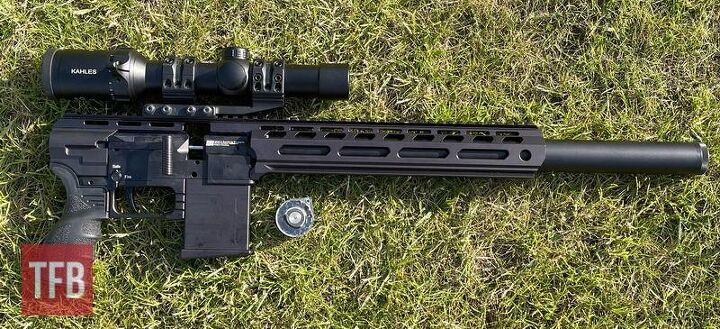
There is no external power adjuster on the DRS Tactical. This is a factory-tuned, ship-and-shoot design. FX has done the work; the rifle arrives optimised and ready. If you need to access the hammer spring adjustment, it requires removing the top rail, trigger guard, and stock adapter (approximately 11 screws), but for the vast majority of shooters running the factory tune, this will never be necessary.
Sub-12 FPE Performance: What You Actually Get
Running the DRS Tactical at sub-12 FPE in .22 produces approximately 11.6 ft-lbs of muzzle energy, right at the legal limit and consistent across the shot string. Velocity variation across a 10-shot string typically stays within 5 fps, which is a direct result of the AMP MKII regulator doing its job. That translates to an extremely consistent point of impact, with no vertical stringing from power variation.
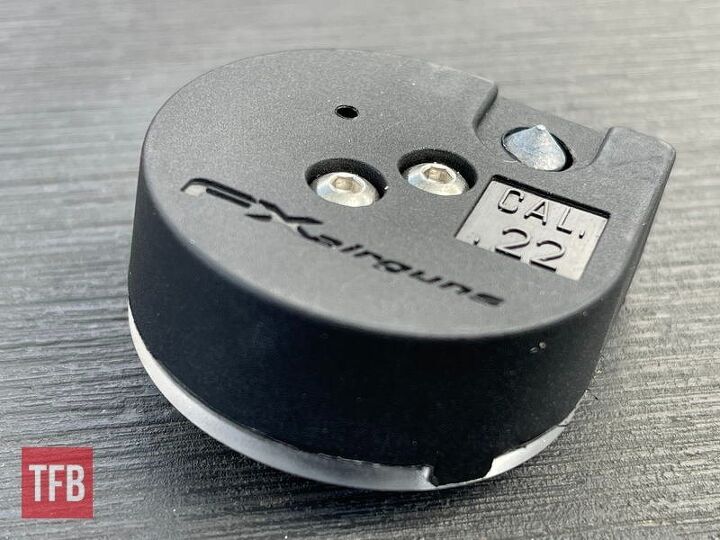
The headline number for sub-12 .22 is the shot count: approximately 250 shots per fill. That is roughly 17 full magazines (14 rounds per magazine in .22) from a single charge to 230 bar. At a practical training session pace, you may not exhaust a full fill in a single outing. Running a hand pump or a small portable compressor, a top-up between sessions takes only a few minutes.
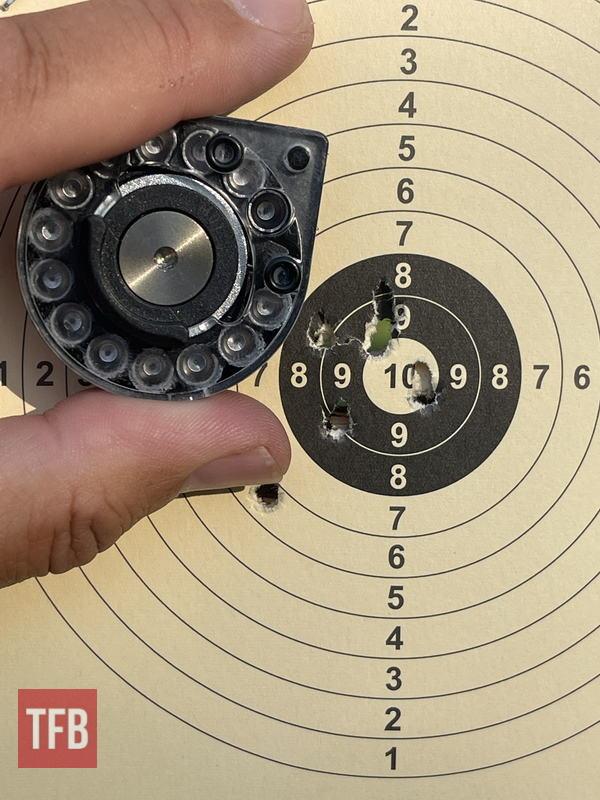
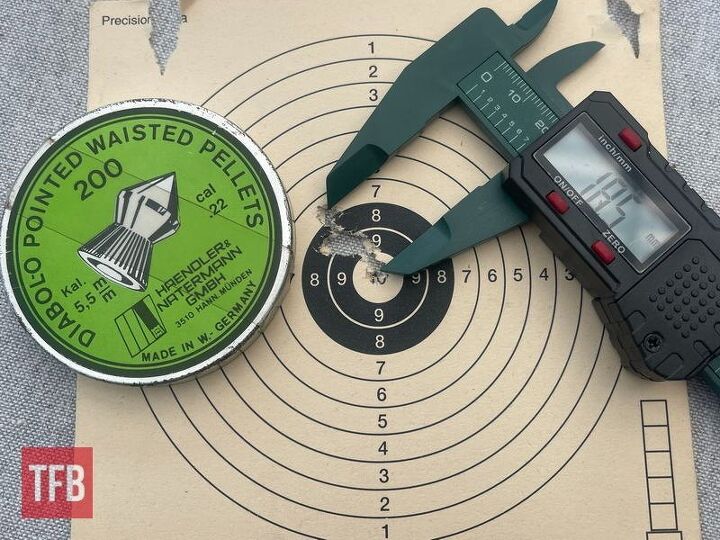
Accuracy at sub-12 FPE is not meaningfully different from full-power configurations at the ranges where this calibre is most useful. At 30-40 metres, the rifle consistently groups pellets into nice groupings. I had no clue what ammunition to get, so I bought 2 different brands and bullet weights, and found another old (vintage) box in the garage. I can’t say the DRS Tactical was very pellet-fussy, and I’m sure if one really wants to fine-tune the precision, you can find even better bullets.
The Noise Factor: Shooting Without Disturbing the Neighbours
This is one of the most genuinely practical advantages of a sub-12 PCP air rifle, and it doesn’t get enough attention in reviews written for a firearms audience.
A sub-12 FPE .22 air rifle produces approximately 60–75 decibels at the muzzle, roughly equivalent to a normal conversation or moderate background noise. Even a .22 LR rifle will sound a lot more. The DRS Tactical at sub-12 FPE is not quiet in an absolute sense; you can still hear it clearly, but it is backyard-compatible in most suburban environments. There are no supersonic cracks, no significant muzzle blast, and no concussion. You can have a BBQ in the garden, and have a shooting precision competition going on at the same time, yet everyone’s ears will enjoy being there.
Add FX’s optional moderator (the rifle ships with a threaded 1/2″ UNF muzzle), and the report drops further to the point where the loudest sound is the mechanical click of the side lever and the pellet hitting the target. Neighbours at typical residential distances will hear nothing of concern. This opens up practice opportunities that simply don’t exist with centrefire firearms: garden range sessions, early morning drills, indoor practice in a garage or basement. If your shooting time is limited by range access or noise constraints, a PCP air rifle removes both barriers simultaneously.
An Ideal Platform for Young Shooters and Beginners
If you have children who are interested in shooting, or if you’re looking to introduce someone to the sport, the DRS Tactical in sub-12 FPE configuration is one of the best available tools for doing it properly.
The absence of recoil is the most significant factor. A sub-12 PCP produces essentially zero felt recoil, the pellet leaves the barrel before the shooter can flinch, and there is no gas system cycling. This means a young or new shooter can focus entirely on fundamentals: sight picture, trigger control, breathing, and follow-through. Every bad habit that recoil flinching creates in new firearm shooters simply doesn’t develop on a PCP air rifle. The technique they build transfers directly to centrefire once they progress.
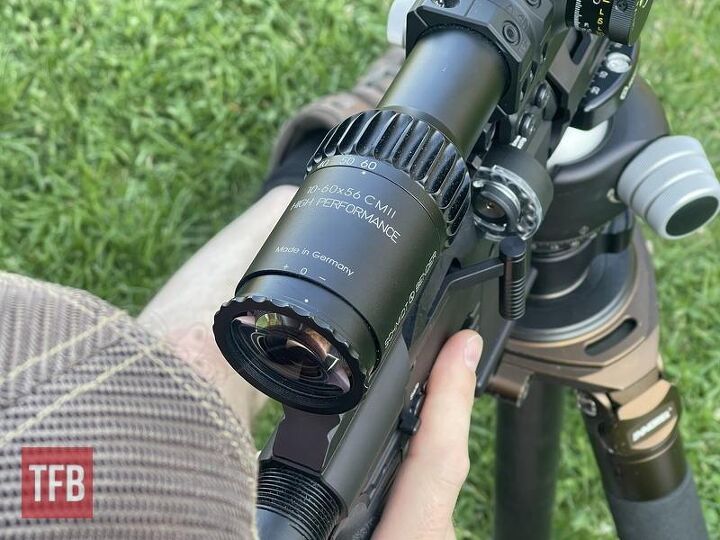
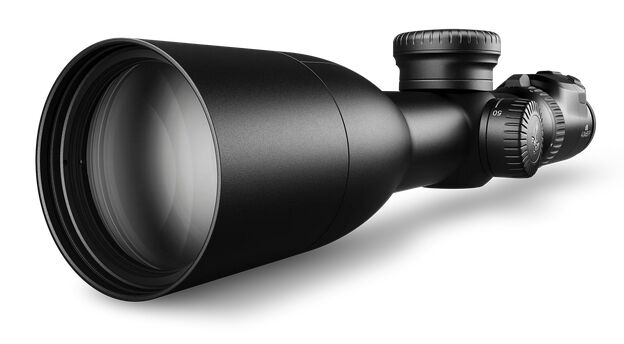
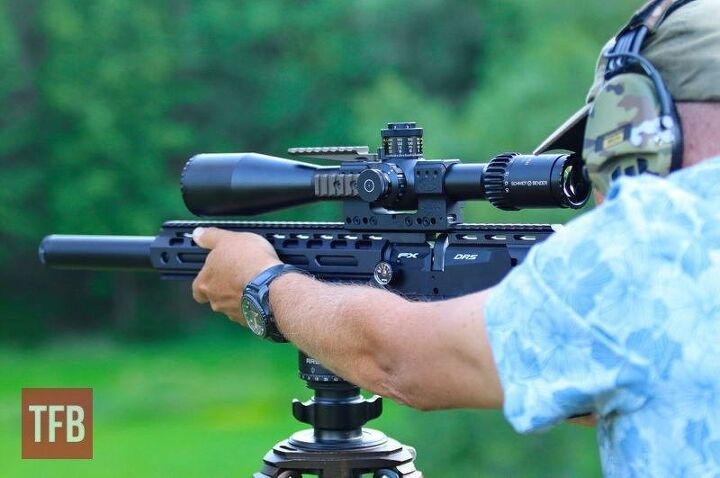
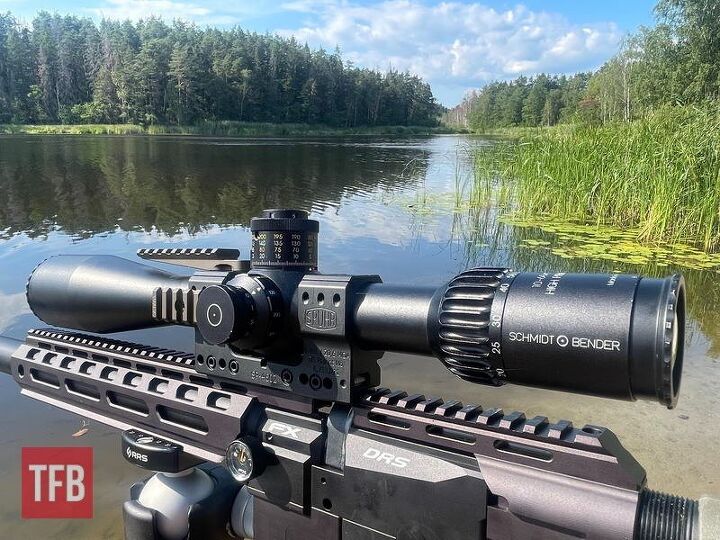
Using the mighty Schmidt & Bender 10-60×56 CM II High Performance on a rifle like this was great fun and rewarding, and it’s only overkill if you don’t have the budget! We were shooting PRS-style competitions in the backyard, at small plastic poppers and “steel”. No dangerous ricochet or fragments to worry about.
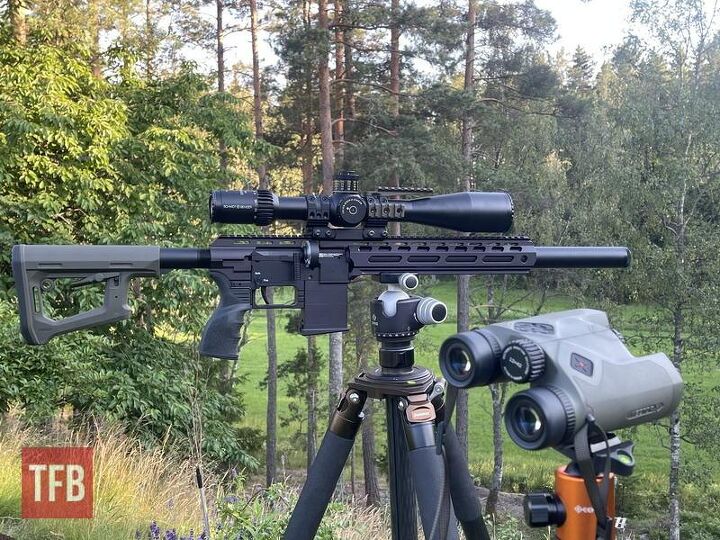
The AR-15 ergonomic layout of the DRS Tactical makes it an especially smart choice for families where the adults are AR shooters. A young shooter learning the manual of arms on the DRS Tactical (think handling, safety operation, sight alignment, barrel pointing, trigger discipline) is learning directly transferable skills. The Mil-Spec stock adjusts down to accommodate smaller frames, and at under 2.5 kg in this configuration, it is light enough for a child to hold comfortably in a supported position.
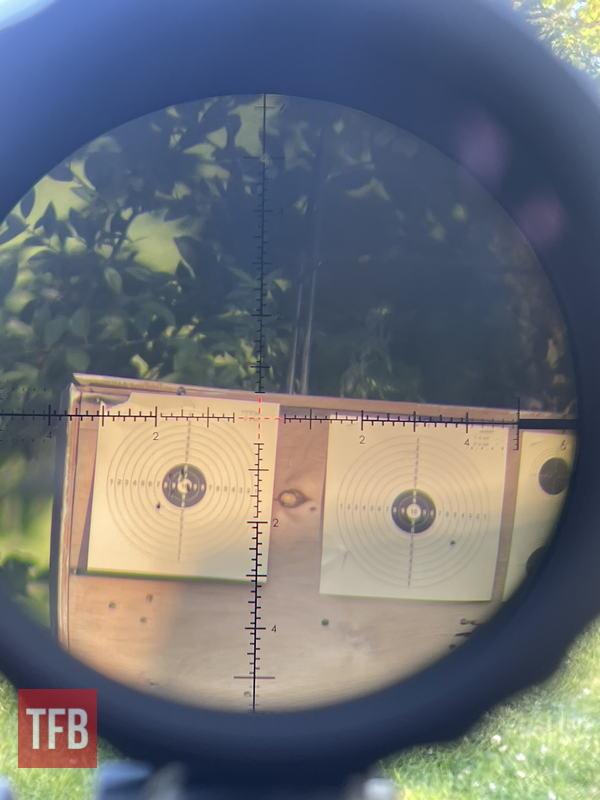
The low noise level is not just neighbourly, it also keeps new shooters calmer. Muzzle blast and loud bangs are a significant psychological barrier for many beginners, particularly children. A rifle that makes a modest click rather than a bang allows new shooters to concentrate on what they’re doing rather than bracing for the noise. Hearing protection is still good practice and should always be worn (more to focus on the fundamentals of shooting rather than anticipating the noise), but the lower noise floor makes the experience dramatically less intimidating.
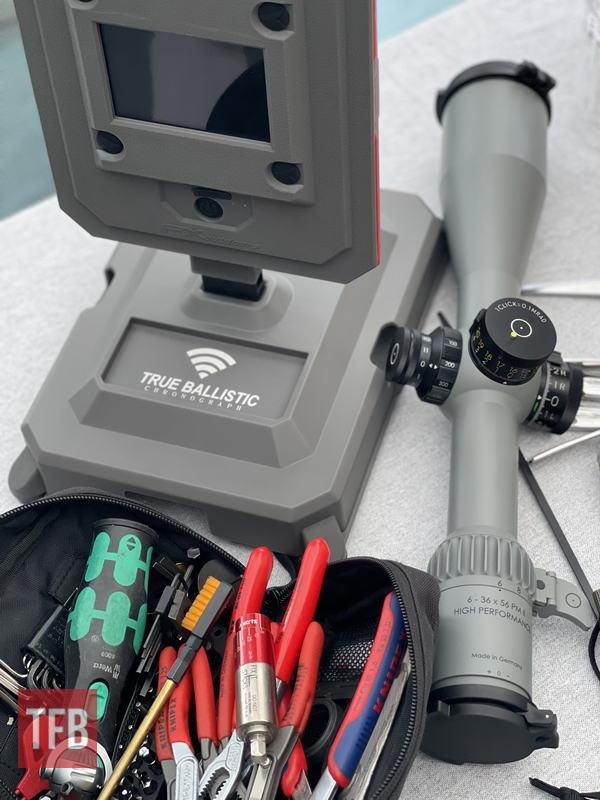
We used FX Airguns’ True Ballistic Chronograph to chrono the rifle. This chronograph is one of the best I’ve ever used, and it works great for all guns really.
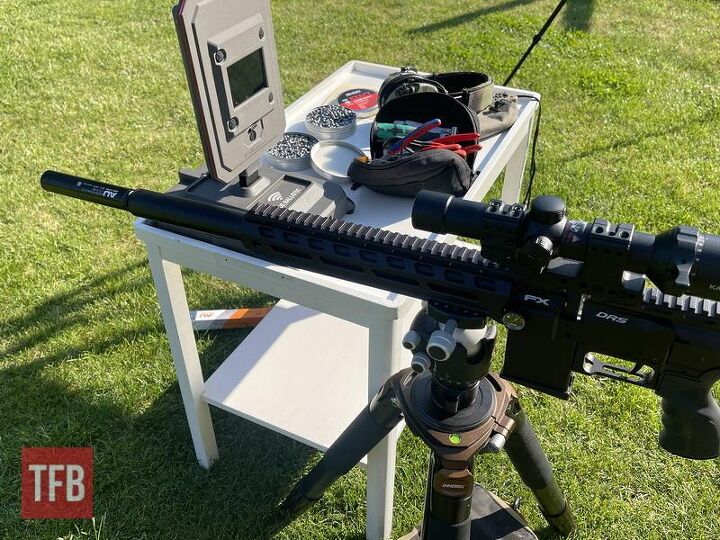
Here are some of the readings. As you can see, it delivers exactly around 10 Joules.
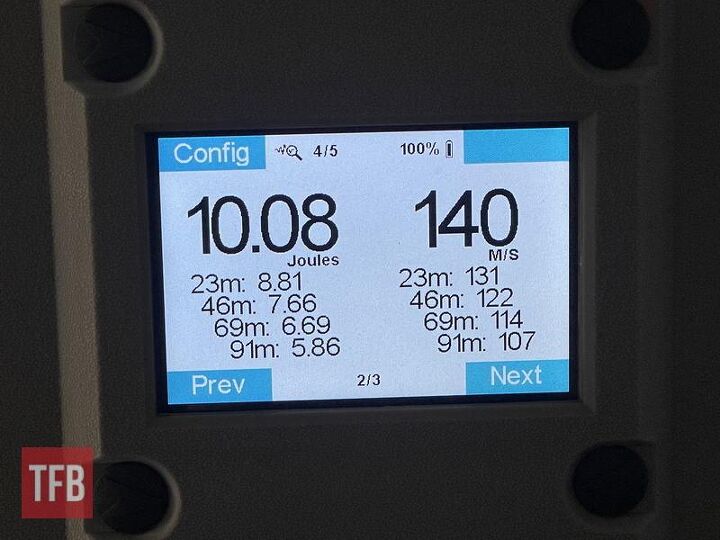
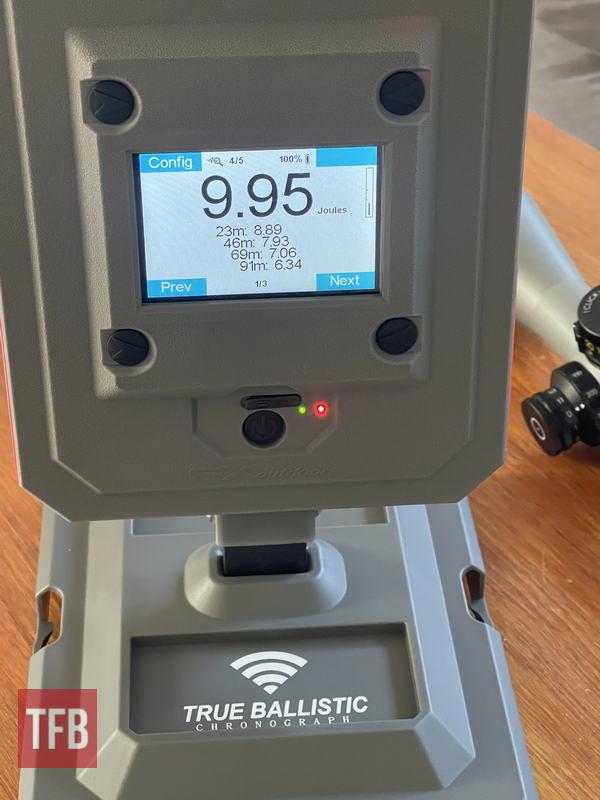
In fact, it’s silly how exact the spread is. The end result is a legal rifle with very consistent accuracy.
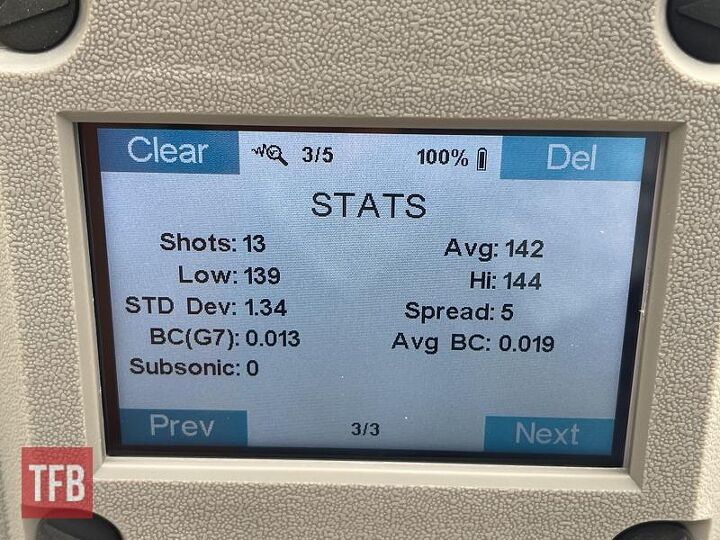
The sub-12 FPE power level is also inherently safer for close-range, supervised practice environments (a back garden or short indoor range) than full-power configurations. It is still an air rifle and must be treated with full firearms safety discipline at all times, but the energy level is proportional to the distances involved in introductory shooting.
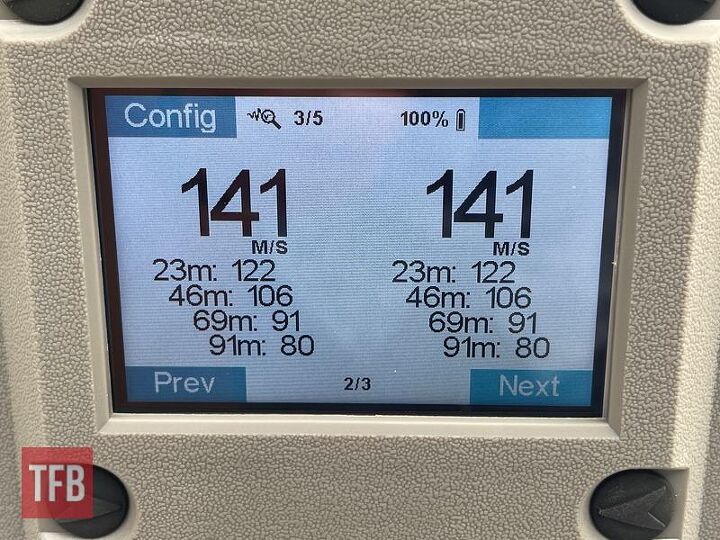
141 m/s out the barrel with the restricted version, so it’s not a toy. I don’t remember the bullet weight.
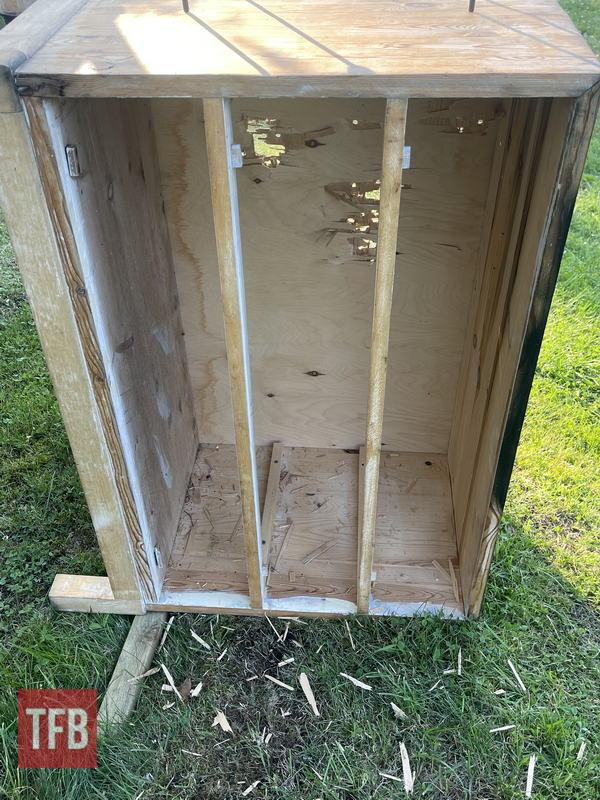
Just a word of warning. I took an old wooden cabinet and put some paper targets on it, and as you can see, it’s far from powerless. Don’t use this to shoot at animals or people, and don’t leave kids alone with one. Damage was done from about 35 meters, but the bullets didn’t really travel beyond this barricade.
The Trigger
The trigger on the DRS Tactical deserves its own paragraph because it is one of the genuinely outstanding aspects of this rifle. It’s a fully adjustable two-stage unit with a redesigned blade that is longer and more curved than previous FX triggers, with a flat face. Adjustment points include forward/backward position, height, and angle, as well as first-stage weight and travel and second-stage pull weight, all accessible via Allen screws through the trigger guard.
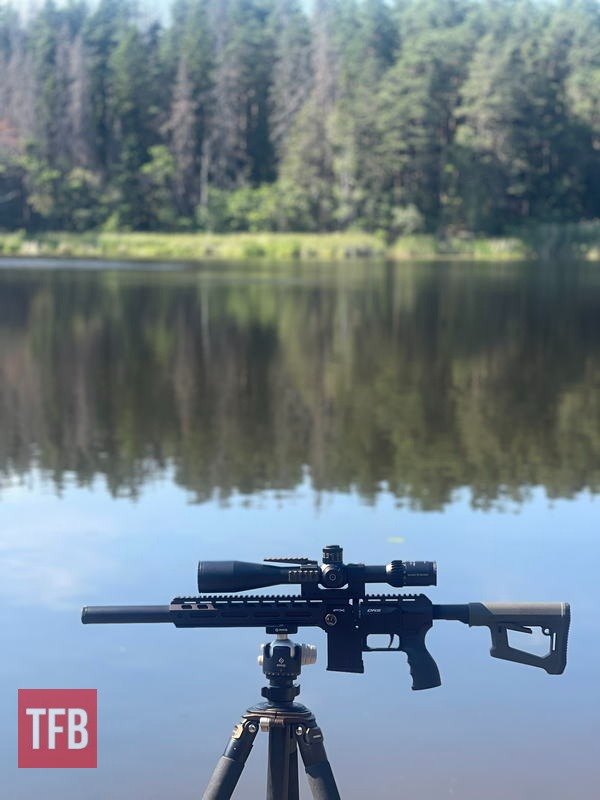
Factory setup is excellent. The first stage is light with clear, consistent travel that ends at a defined wall. The second stage breaks cleanly with no creep. Factory pull weights typically land in the 350–400g range (approximately 12–14 oz) straight from the box, competitive with premium aftermarket AR-15 triggers. There is sufficient clearance in the trigger guard to shoot comfortably with gloves.
Stock Compatibility: Where the AR-15 Connection Gets Practical
The Mil-Spec buffer tube adapter at the rear of the receiver accepts any standard AR-15 carbine stock, the same way it attaches to an AR lower receiver. I ran a few standard AR carbine stocks, which clicked straight on with no modification. Length-of-pull settings that work for your body on your AR-15 will work the same way on the DRS Tactical, and I ended up with an adjustable stock from Magpul, as I had a lot of people trying it out.
Folding stock adapters work as they would on any Mil-Spec receiver. Any AR pistol grip swaps in via the standard AR grip screw. This modularity means the DRS Tactical can be configured for different users without buying a new rifle. If you have multiple shooters in the family, this matters practically.
The rifle can also be run stockless as a large-format pistol configuration, but I don’t really see this being practical at all. The handguard’s M-LOK slots accommodate lights, foregrips, or weight kits (FX sells M-LOK weights as accessories). The ARCA rail on the bottom accepts any standard precision shooting tripod or bipod head directly, but obviously not Picatinny (there are adapters).
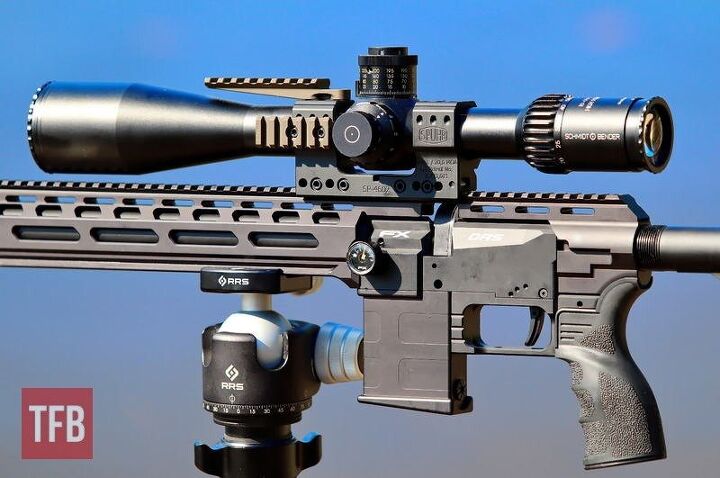
In the Field: What a Year of Use Tells You
After nearly a year of regular use since spring 2025, a few things stand out that don’t always show up in a single-session review.
First, the zero holds. The DRS architecture’s rigidity means the rifle takes transport, temperature changes, and repeated handling without shifting point of impact. A rifle that holds zero through real-world conditions is worth considerably more than one that needs re-zeroing after every outing.
Second, the fill system is reliable. FX switched to a steel fill probe (replacing brass on earlier models), and the QD seal has been consistent with no leaks observed during refills. The fill probe connection is positive and repeatable. Just remember that to fill the rifle, you do need a diving tube or similar. I never tried the hand pump, and everyone advised me not to get it as it takes too much time and effort to manually fill the air tube.
Third, the weight and balance work well for extended sessions. Light enough for younger shooters, balanced well enough on a bipod or tripod that longer precision work doesn’t become fatiguing. The square forend profile locks up solidly in a bipod saddle (no rotation, no cant), which is more important than it sounds when you’re trying to shoot consistent groups.
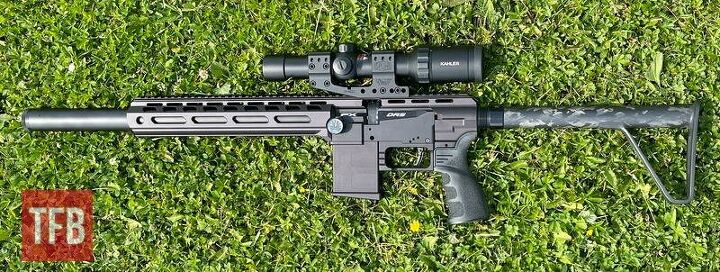
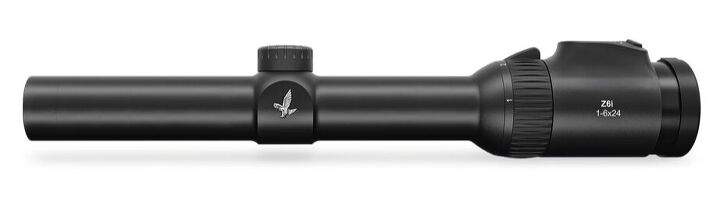
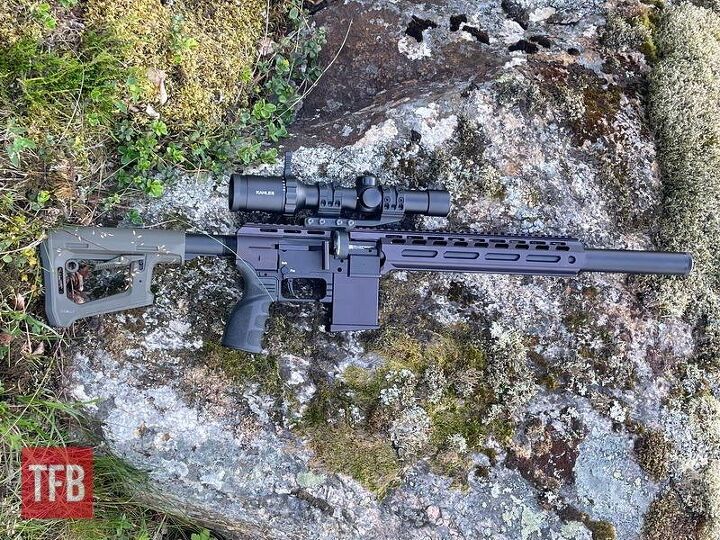
Mostly, we shot the DRS from a low tripod, kneeling position, but I also mounted a Kahles K-18i-2 LPVO and tried to keep my standing shooting skills intact, shooting at a Know Your Limits steel rack. This is great training for all sorts of shooting!
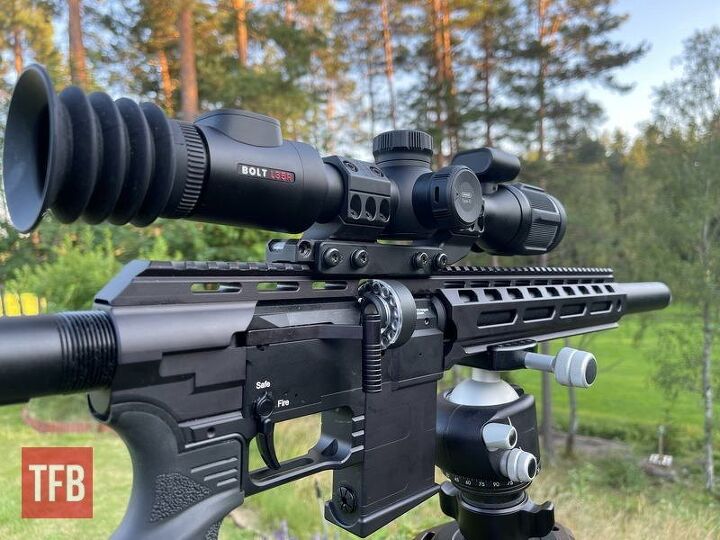
Just because I can, I also tried the DRS with a thermal riflescope. I know people in the U.K. who hunt rats and birds inside barns, where a .22LR or more powerful would make some unwanted holes.
The safety direction reversal from the AR-15 standard is the one thing that still occasionally registers at the subconscious level after extended use. It is not dangerous; it simply requires conscious attention until the muscle memory fully adapts. Worth flagging whenever you hand the rifle to someone who hasn’t shot it before.
How It Compares To Shooting Your AR-15
What it replicates well: grip geometry, trigger feel, handling discipline, stock adjustments, and basic sight picture with low-mounted optics. Some of the manual of arms, loading, making safe, clearing, and firing, also transfers.
What it doesn’t replicate: recoil (there is essentially none), muzzle blast, gas system timing, or the specific trigger reset of your particular AR-15 trigger. The DRS Tactical’s trigger is excellent, but it has a different character than a mil-spec fire control group or an aftermarket drop-in. Chamber clearing and bolt carrier diagnostics don’t transfer – there is no BCG, there’s no traditional magazine.
The practical upshot: at its price point, the DRS Tactical can pay for itself in ammunition savings within a single season of regular training. A shooter running 200 rounds a month through an AR-15 at typical European ammunition prices spends considerably more per year on brass than the rifle costs. Premium .22 air rifle pellets cost a fraction of that per round, and with 250 shots per fill at sub-12 FPE, the economics are substantial.
Below: My Made In Western Germany vintage .22 pellets I found in the garage proved to be very accurate at 40 meters. I’m not sure my AR15s will repeat this.
Pros
- Exceptional out-of-box accuracy. Get at good stock and it performs well across common .22 pellets without extensive selection.
- Genuine AR-15 ergonomic compatibility: Mil-Spec buffer tube, standard AR grip interface
- Excellent factory trigger: competitive with premium AR aftermarket triggers straight from the box.
- About 250 shots per fill at sub-12 FPE in .22: exceptional shot count for training sessions
- Very low noise: backyard and garden compatible; no disturbance to neighbours
- Zero recoil: ideal for introducing young shooters and beginners to correct technique
- Full-length top Picatinny + ARCA + M-LOK: comprehensive accessory options
- Legal across most of the World at sub-12 FPE: no firearms certificate required in many jurisdictions
Cons
- Safety direction is reversed from standard AR-15: requires muscle memory adjustment
- Loading the magazine is not the easiest, and a bit time consuming.
- Side-lever charging cannot be mirrored for left-handed shooters, and the action can be a bit delicate.
- Budget for extras: buttstock, buffer tube castle nut, and a high-pressure air source
- Sub-12 FPE power limits effective range.
- At about $1,100.00 it’s not cheap, still worth the money if you use it.
I have already talked myself into buying another FX Airguns, but it requires a permit and shoots arrows, so stay tuned.
You can find a direct link to FX Airguns and the different specifications of the DRS Tactical here: https://www.fxairguns.com/rifles/fx-drs-tactical/