Welcome back to another edition of Concealed Carry Corner. Last week, I took a look at some of the most common excuses for not carrying a concealed handgun. If you happened to miss that article, be sure to click the link here to check it out. This week, I want to recap and look at my most positive interaction with a sheriff’s deputy, which is honestly one of the best experiences I have ever had. It’s been a few years since I’ve written about how to interact with police, so it’s time to go over it again! Let’s take a closer look at the best way to interact with police.
The Initial Steps To Take Before The Interaction
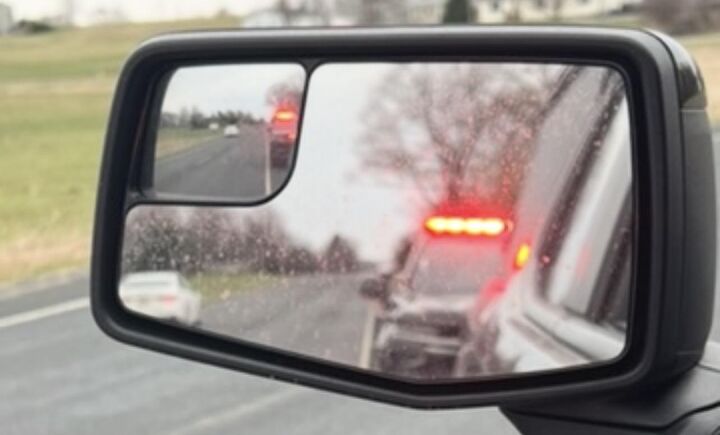
This past weekend, I was heading to the range to test a few new handguns that I’ll be dropping reviews for in the coming weeks. I had a friend with me and we were chatting, which distracted me from my speed when I drove past an Allegan County sheriff’s deputy going slightly faster than I should have been. The deputy immediately spun around and turned their lights on. I immediately pulled over and turned my truck off. I put my window down and then put my hands at 10 and 2 while waiting patiently. A female deputy came up and was extremely kind while saying I was going a little fast. The first thing I did was tell her that I was carrying a concealed pistol. By Michigan law, you have to notify a police officer when you have an interaction. The deputy responded with the best line I have ever heard from an officer: “I’ll tell you what, if you don’t draw yours, I won’t draw mine.”
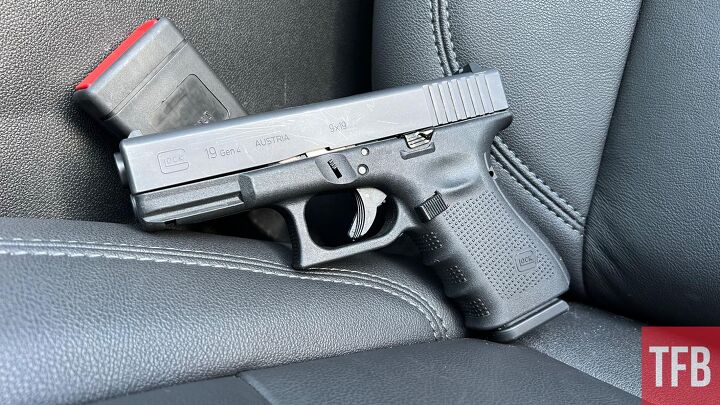
She then asked what we were doing and I said we were heading to the range. I gave her a brief rundown of what I do and she then asked what range we go to since she doesn’t work in this area often. Afterwards, she asked for my license and concealed pistol license, which I handed her and she went back to her cruiser to run my information. The initial steps of turning the vehicle off and having hands clear are a good way to put the approaching officer at ease. Turning the vehicle off allows them to see there’s no risk of a runaway situation. These may be small steps, but they do change the immediate interaction and show you are willing to make life easier for the officer as well as yourself.
Communication Is Everything
Having a good attitude defuses any conflict that may arise immediately. This deputy was fantastic and super personable, which helped cut any tension out of the interaction. A traffic stop can be stressful for both the deputy and the driver because both have a fairly high level of uncertainty. The driver has no idea if they are getting a ticket and if they have warrants, they know they will have to either go to jail or try to escape, which never works. The officer is worried about being ambushed or having an erratic driver who can’t be reasoned with. There are a number of possibilities for both parties, so that’s why being as respectful and understanding as possible really is the best policy.
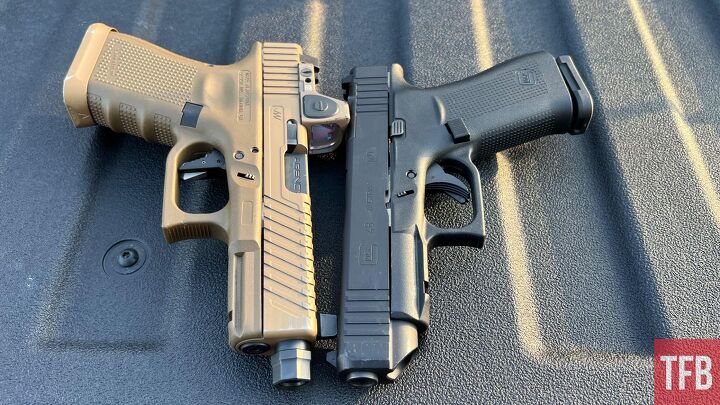
Telling the officer you have a concealed firearm does give them every bit of information you can while remaining transparent. The big unknown when you declare your firearm to an officer is their reaction and the sheriff’s deputy I interacted with did a fantastic job, not only being professional but also using a funny comment to ease tensions. Interacting with police can be such a rare occurrence for most people who carry concealed, but it’s bound to happen sooner or later. It’s always a plus to keep in mind that you want to be as professional and level-headed as possible to get through the interaction with the best outcome.
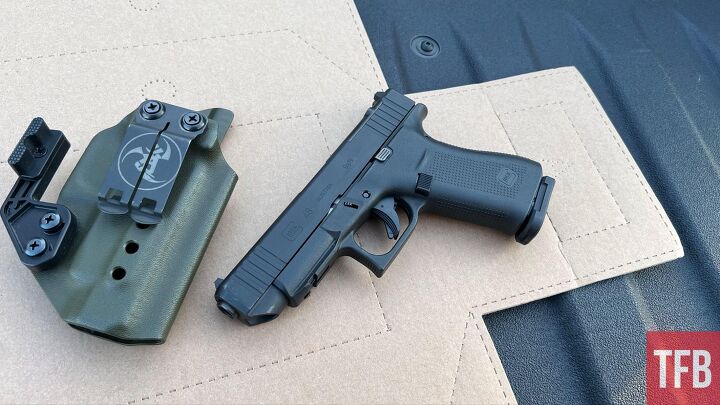
Keep It Positive Even If You Get A Ticket
One of the most common problems I see is at the end of an interaction with police officers. Some officers are strict and if they pull you over, you will 100% be getting a ticket. Others offer a warning, but it’s not an absolute yes for either of these choices. Arguing or fighting the officer will just escalate tensions and having a concealed handgun involved is just a flat-out bad idea. Even if you don’t agree with the officer’s decision, it’s always best to take the ticket and try to figure the situation out either through the court or county after the fact, rather than arguing with the police officer present.
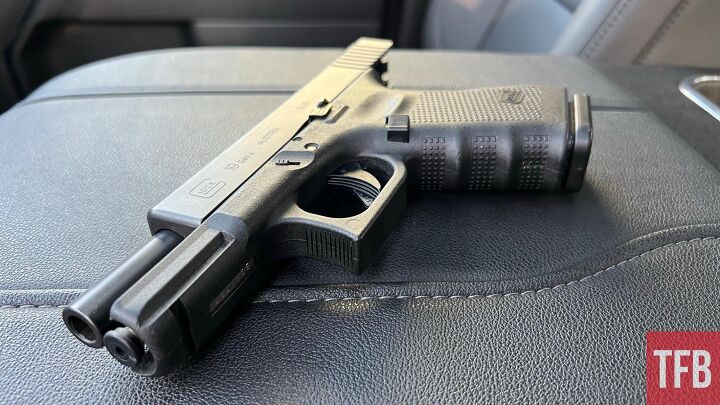
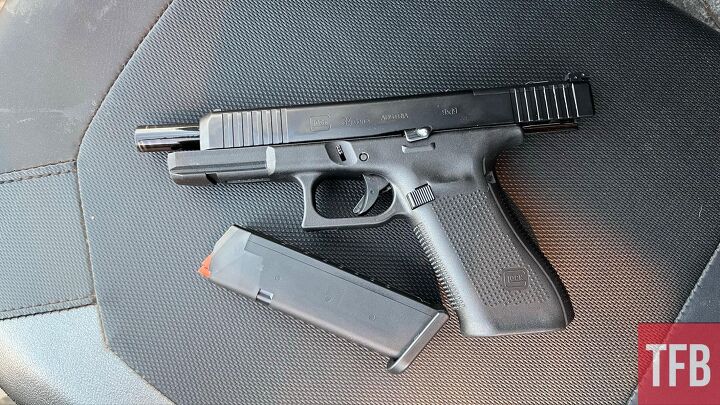
The other big mistake people who carry concealed make is if the officer takes your firearm and unloads it. At the end of the stop, when the officer gives your firearm back, so many people instantly load their firearm back up, which I’ve heard from numerous officers is one of their biggest pet peeves, since there’s really no rush to reload your firearm. If the officer takes your firearm and unloads it, do not reload your handgun until the officer wraps up their stop and is heading back to their vehicle. There’s absolutely no rush and it’s not worth making the officer uneasy right at the end of the stop. The fact that this sheriff’s deputy just said to keep it holstered made things even easier since there’s no awkward time of handing the firearm back and forth.
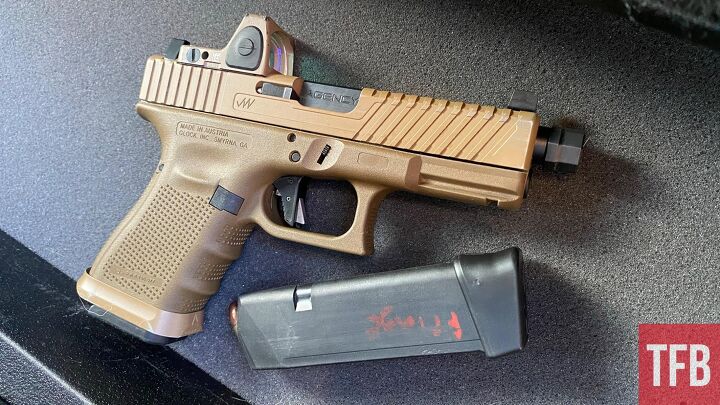
Overall Thoughts
Interacting with police officers isn’t an everyday occurrence, but it’s incredibly important to understand. I want to thank the awesome sheriff’s deputy from the Allegan County Sheriff’s office for a great experience. The female officer did amazing and it goes to show there are fantastic officers out there despite being treated poorly in today’s climate. What are some things you do to help ease tensions if you get stopped by an officer? Let me know in the comments below. If you have questions about carrying concealed or firearms in general, feel free to shoot me a message on Instagram @fridgeoperator. Stay safe out there and we will see you next week for another edition of Concealed Carry Corner.
TFB’s Concealed Carry Corner is brought to you by GLOCK