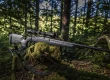
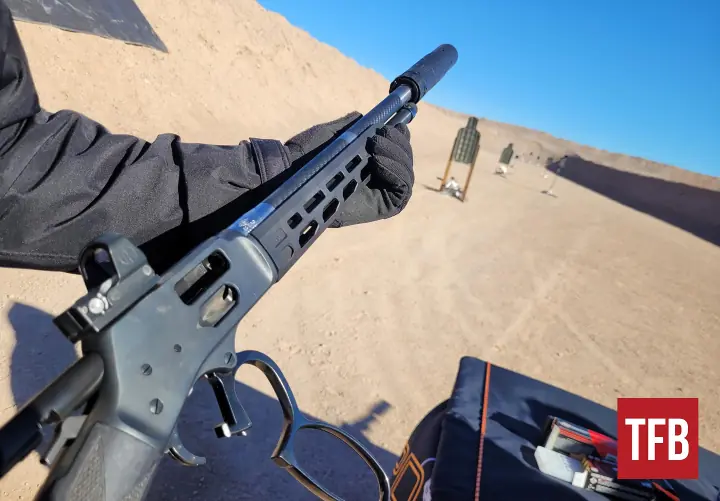
We’re still waiting to see how all the fallout lands after the Supreme Court ended the National Firearms Act’s registration and approval requirements for short-barreled rifles and suppressors. However, some hunters are going to be very keen to take advantage of what appears to be a massive change in the American gun law structure, because of the advantages that suppressors offer in the field.
Suppressed shooting @ TFB:
Why hunt with a suppressor?
Anti-gun activists and anti-hunting advocates are both going to complain about suppressors. Hoplophobes say suppressors are for criminal assassins; the hunting-haters will dream up some sort of unfair advantage for hunters using suppressors that fight the principle of fair chase.
Both those ideas are wrong. The reality is that in some European countries, hunters are actually encouraged to use suppressors, because suppressors make hunting quiet and less likely to disturb the general public. That’s one very obvious advantage that non-hunters can benefit from.
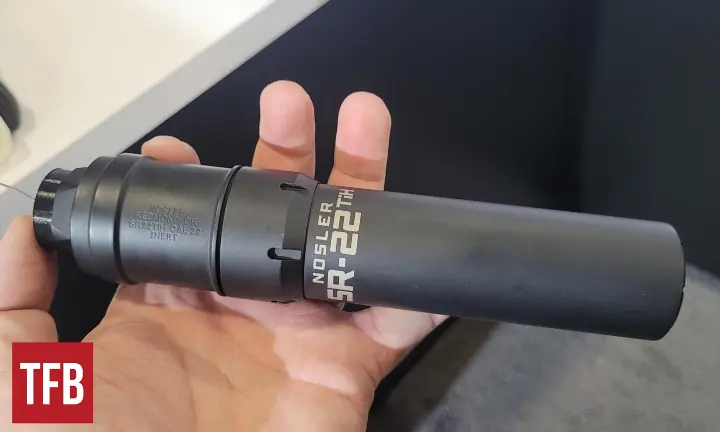
The other most obvious advantage of using a suppressor is that it protects the hunter’s hearing. Yes, we all know you’re supposed to wear ear protection when you’re shooting, but how many hunters actually go afield without earplugs? Some hunters might want to wear hearing protection, but fear they will lose the ability to hear animals moving in the woods. In some scenarios, this could even be a major safety concern. Having a suppressor to reduce your firearm’s sound level means you can protect your hearing safely and still hear what’s going on in the woods around you.
Downsides of suppressors
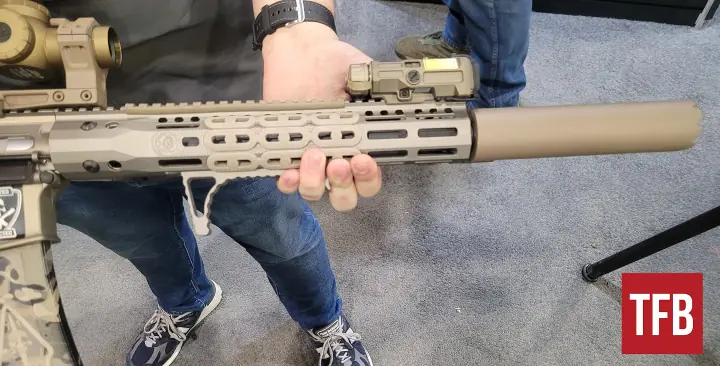
There are four downsides to suppressors that I can think of. First, a suppressor is going to make your rifle longer. Most of us want our rifles to be shorter, not longer. You can somewhat compensate for this by choosing a shorter rifle barrel, but that comes with other potential disadvantages.
Second, a suppressor adds cost to your hunting setup, obviously. This will be less and less of a concern as suppressor prices drop, but it does mean you’re going to spend more money on hunting, at a time when many hunters are cash-strapped. This cost will add up even more if you need a new rifle, since many hunting rifles are not threaded for mounting a suppressor.
Third, to truly take advantage of a suppressor’s sound-deadening capability, you may also have to use ammunition without the performance you want. This is not to say that, if you screw a suppressor onto the end of a .270, you won’t see reduced noise levels—you will. But if you really want to be stealthy, you’ll want a subsonic load, and many hunters won’t like that idea.
The fourth issue is that suppressors are new and different. This might not matter to some hunters, but others are bound to the traditions of generations in the deer woods. A suppressor will never look right on the end of Grandpa’s old .30-30, and that’s what many hunters are hunting for in the first place—tradition, not performance.
Oh yeah, and one last thing to think about: Check the game laws where you’re hunting to make sure a suppressor is legal in the first place.
What to buy?
What sort of rifle and suppressor you buy depends on what you’re hunting, where you’re hunting, and how you’re hunting.
As far as suppressors go, this field is growing very rapidly and will probably pick up steam even more quickly if the legal wrangling goes away, and I’m not going to make any specific recommendation. Do your own homework and pick something.
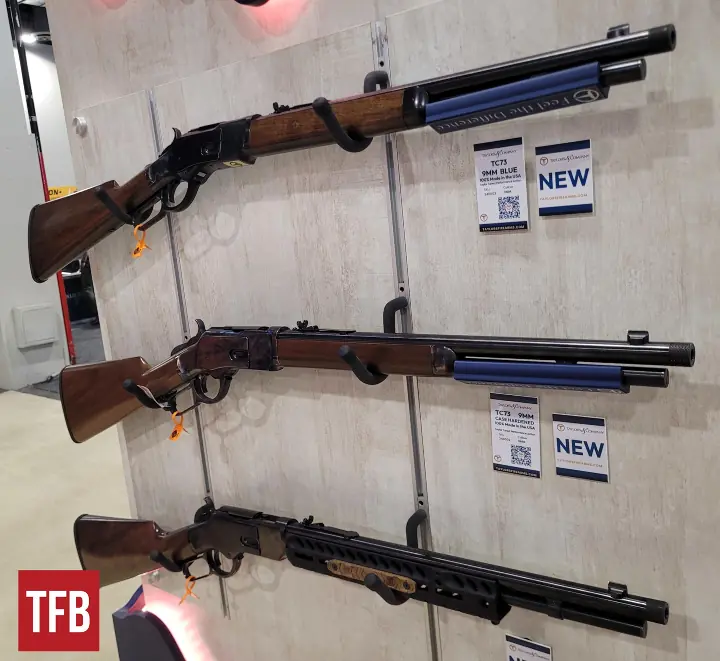
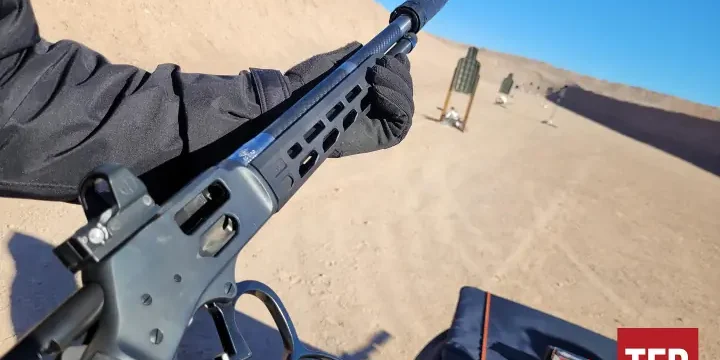
With rifles, there’s good news. While Grandpa’s old Winchester 94 might not be threaded for a suppressor, most of the lever-gun manufacturers have something that will work for you in their 2026 lineup. The new Ruger-built Marlin rifles have several models with threaded muzzles; the same goes for the Smith & Wesson Model 1854 series. Several Rossi R95 models come with threaded barrels, and the same goes for Henry’s lineup. If you’re hunting in a region with straight-wall cartridge laws, a lever-action in something like .44 Magnum might be a great choice.
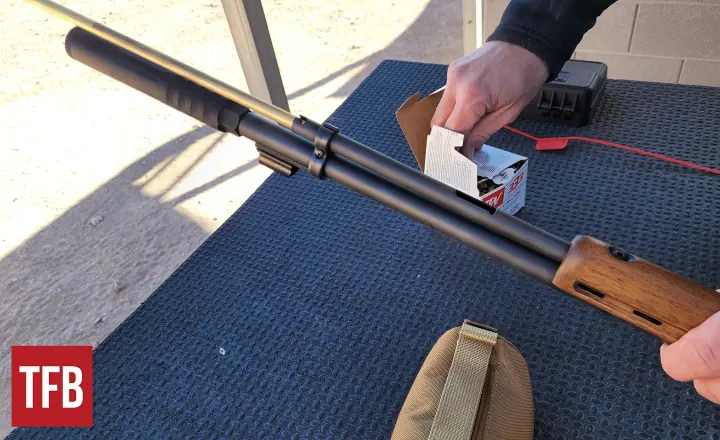
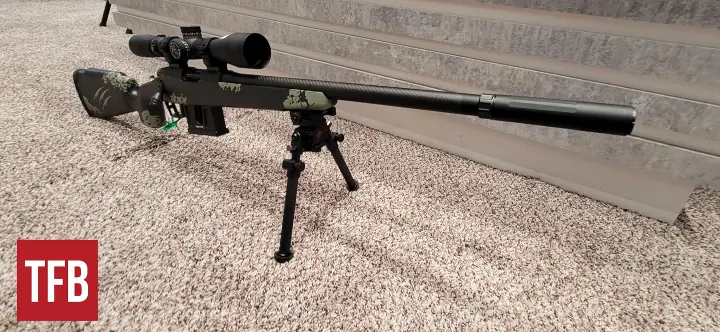
Of course, there are many, many bolt-actions on the market now that feature threaded muzzles. As far as the semi-auto sphere, some Euro-market Browning BARs come with threaded muzzles, but at the time of writing, there are no US-market BAR rifles that come like this. Expect that to change in the future.
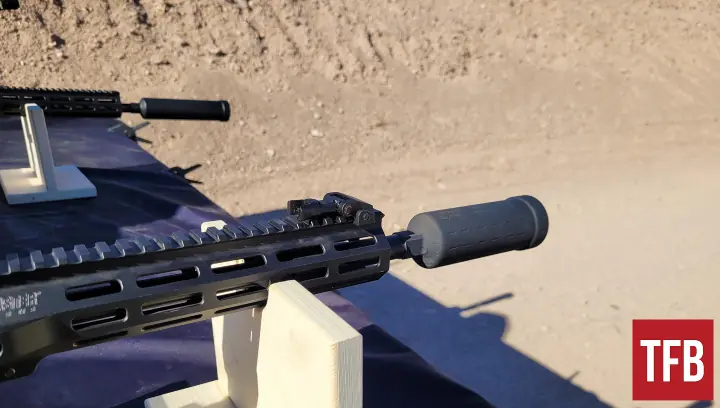
Of course, there are many AR-pattern rifles built with threaded muzzles, so you can still easily find a semi-auto that will work well with a suppressor. It just won’t look like a traditional wood-and-steel deer gun, but that is no problem for many hunters today.
The bottom line
At this point, it looks like regulation-free suppressors are here to stay. They benefit all shooters, and hunters are going to increasingly adapt this technology. While it may not have that traditional backwoods deer camp look, a suppressor can be a big benefit on your hunting rifle, and it’s worth considering its advantages and moving in that direction, even if you can only afford to do so slowly.