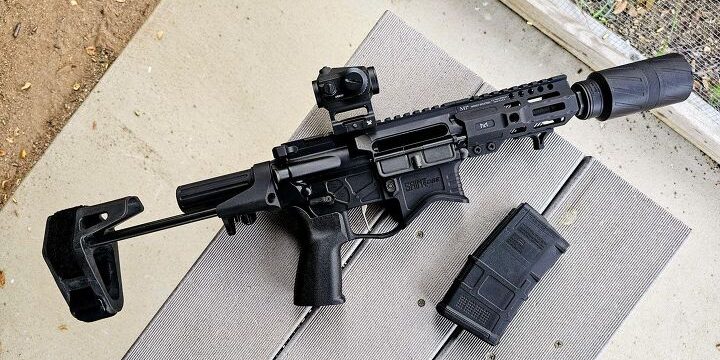
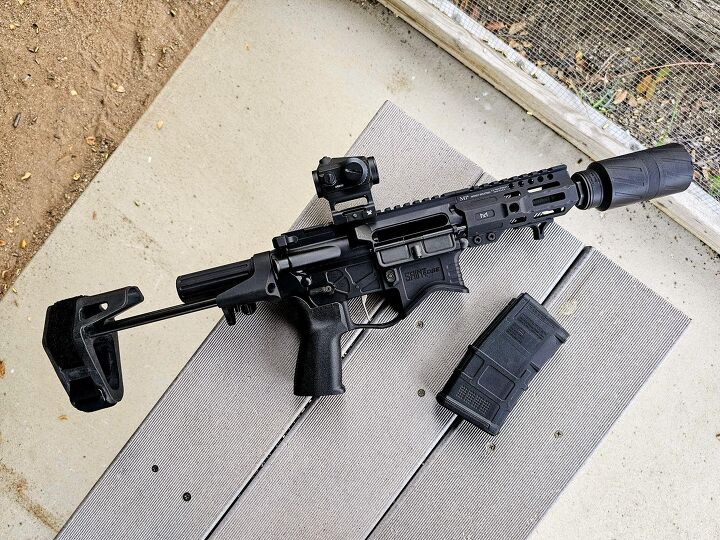
Why Picking the BEST 5.56 Suppressor is Harder than It Sounds
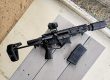
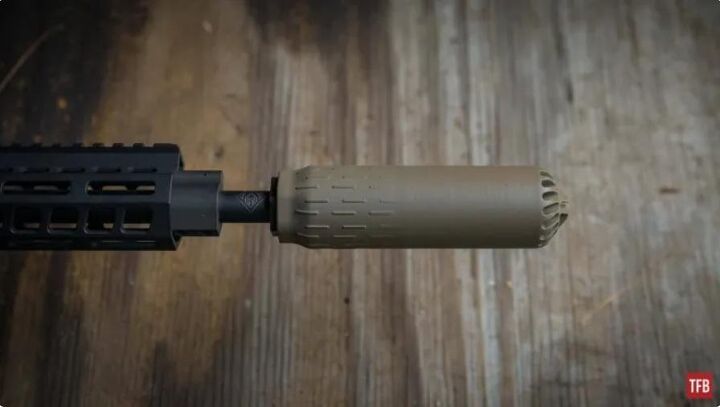
So, you bought a 5.56 NATO rifle, which is probably some variant of the AR-15. You quickly learned it is loud, gassy, and hard to suppress. Now your rifle doesn’t want to cycle properly, you’re chucking fireballs down range like a wizard, and you don’t know where you went wrong with the suppressor you bought. A suppressor that’s great on a 16″ rifle might be miserable on an 11.5″ SBR (short barreled rifle). While many suppressor manufacturers tout they have “do-all” suppressors, that is hardly the truth. There’s considerations that need to be accounted for: sound reduction vs. length/weight, dedicated 5.56 suppressors vs. multi-cal/.30 cal suppressors on a 5.56 host, and flow-through vs. traditional baffle designs. The best 5.56 suppressor for you might be the worst for your friend. Your use-case, the host firearm, and your end goals will all contribute to your decision. So, let us help you cut through the smoke of this decision-making process so you can hit your target. Let’s dive in on your future best 5.56 suppressor!
5.56 Dedicated vs. Multi-Cal .30: Which Makes More Sense?
This is the first question every buyer faces. A dedicated 5.56 suppressor will be lighter and sometimes quieter on a 5.56 host, but a .30 cal suppressor can work across multiple rifles. So, do you go the utilitarian approach or be a specialist?…
A .30 cal suppressor can work on more than one rifle, but a dedicated 5.56 suppressor edges it out in regards to weight, and sometimes even signature reduction. A common goal is for people to seek out the quietest 5.56 suppressor, and that is often a loaded question as well as a moving goal post. Bore size, barrel length, and ammo all affect decibel (dB) numbers more than most people expect.
What to Look for in a 5.56 Suppressor
The elements that you will want to find in a good suppressor – regardless of your goal, the platform, etc – are relatively the same across the board. We are going to be ruminating over sound, back pressure, length, weight, durability, potentially the mounting system options, and finally price.
- Sound reduction (dB noise at the ear): This is the number everyone chases. Most people associate “best” with “most quiet,” but where that dB number was achieved matters a lot. At-ear dB measurements matter more than at-muzzle because the shooter’s perspective and experience is always at-ear; we never have our head by the muzzle. An additional pain-point are the inconsistencies in testing. Some people treat dB testing like the science that it is (like Pew Science) while others are just chasing LOLZ for the ‘Gram. Pew Science has the closest thing to standardized, full-blown, white lab coat, nerdy testing (and we thank them for that).
- Back pressure/gas blowback: This is a huge deal on direct-impingement AR-15s. More back pressure means more gas in the shooter’s face, more bolt-carrier speed, and more wear on the rifle as a whole. Some of the best flow-through 5.56 suppressors can remedy this, but may sacrifice some sound reduction.
- Length and weight: Every inch and ounce matters on a fighting rifle, a gun you carry all day for work or defense, or simply your preferred competition setup. Some vague categories to delve into might be: anything under 6″ and 12 oz is compact, 6 – 9″ is standard, and anything over 9″ is considered quite long but will likely be more quiet.
- Mounting system: This can of worms is primarily a conversation of direct thread vs. quick-detach (QD). Direct thread is self-implied if you lean that way while QD systems will enter you into a new realm of what kind of QD ecosystem you are looking at (KeyMo, Plan B/Xeno, HUB, etc.). Also, bear in mind the cost of mount and caps. Each piece could run $75 – $150, which quickly adds up.
- Durability/round count rating: Does your prospective suppressor have a SOCOM rating? Is it full-auto rated? This matters for hard-users, and much less for recreational shooters.
- Pricing: Current 5.56 suppressors can run you anywhere from $300 – $2,000+ (depending on the quality or name that is attached to it), and it is important to distinguish between the two. Are you paying a premium price for a hip name brand, or is there actual craftsmanship, tolerances, and unique geometry imbued into the suppressor?
What to Avoid in a 5.56 Suppressor
Some of the things you can ignore during your purchasing process might be right under your nose. A lot of it is tied to marketing and what a suppressor company “wants you to buy,” but you need to be extremely honest with yourself about what you authentically want and/or need. Sometimes marketing and our needs overlap, and that is OK. We just wish to warn you to not be sold a bill of goods that you didn’t sincerely want.
- Flashy colorways: Sometimes you might be pursuing a certain color to match the overall aesthetic of your build. Other times, you might be buying it because it “looks cool.” Just be able to rationalize in your own mind why you chose a color other than black. Also, be leary of overpaying for a color swatch on the tactical rainbow.
- Name brand only: Without naming names, be cautious of buying a $2,000 suppressor because it’s renowned as the “Cadillac” in the firearms industry. Some Cadillacs are $2K in price because they’re selling people a Kool-Aid, like you’re joining a cult. There is no innovation, unique technology, or value above their competitors. Other times, you can receive a Cadillac name brand with innovation. Be weary of high price tags when it seems there is nothing special about the suppressor (there likely isn’t).
- Proprietary isn’t always a good thing: While we love to see innovation and that is what moves the needle of the industry as a whole, the more proprietary something is the less likely it is that something can be easily serviced and placed into your weapons platform with ease. So, be leary of suppressors that are 100% unique, specialized, or force you into a corner you don’t want to be in.
Best 5.56 Suppressors by Category
Best Overall 5.56 Suppressor – Surefire Socom556-RC4
If you haven’t crawled down a rabbit hole with your AR-15 for a specialized use, then the Surefire Socom556-RC4 as an all-around pick may be perfect for you. It blends the balance of sound, weight, length, back pressure, and price perfectly. This suppressor is relatively new, but with low-back pressure and flow-through properties, it steals some of our favorite attributes and distills them into one suppressor.
- Length: 6.3”
- Weight: 17 Oz
- Price: $1,549
- Intangibles: 100% Inconcel, Flow Dynamics, Low Back Pressure, Flash Mitigation, Suitable for 10.3” Barrels or Longer
Best Budget 5.56 Suppressor – Lyman Rekkr DT
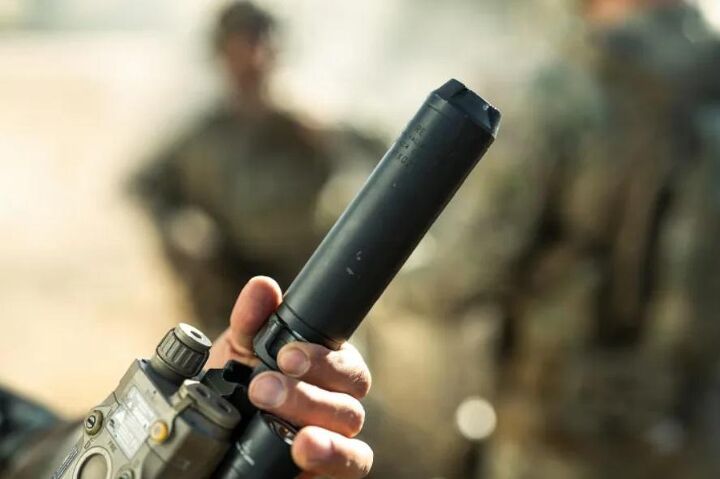
The threshold for budget suppressors used to be ~$500, but then Lyman (the reloading tool company) showed up at SHOT Show 2026 and joined the party at an astonishing $299! We’re not quite sure how they’re doing this so affordably yet (aliens?), but we’re glad they’re in the game with their Lyman Rekkr DT (Direct Thread).
- Length: 7.6”
- Weight: 14.6 Oz
- Price: $299
- Intangibles: Aluminum and Stainless Steel, Not Full-Auto Rated, Direct Thread, Knurled Exterior to Tighten or Loosen
Best for SBRs and Short Barrels – Silencerco Saker ASR 556k
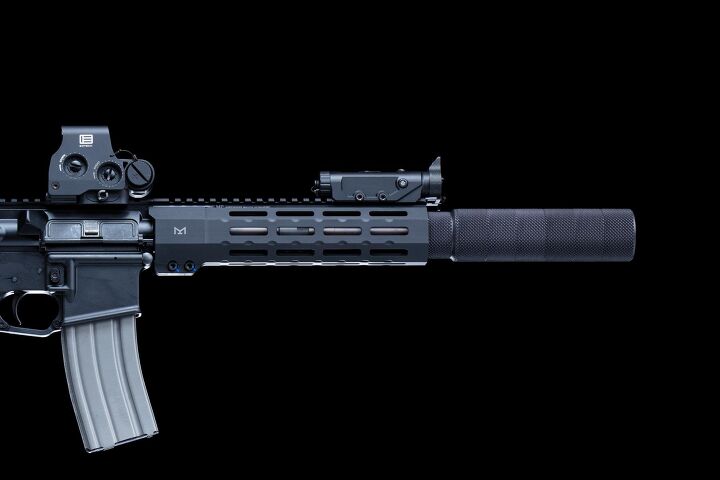
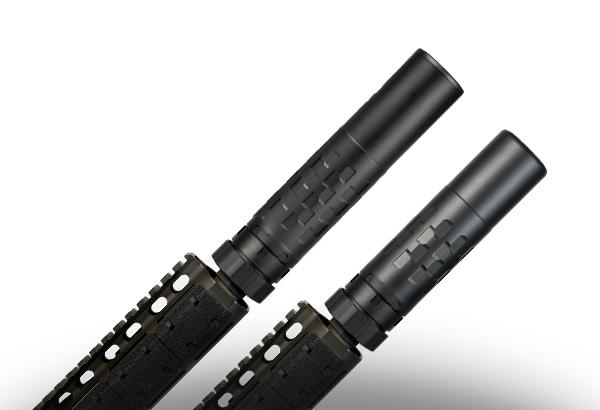
The Silencerco Saker ASR 556k fills a niche void for people who have AR-15 platforms that are uncommon. Do you own an SBR? Some kind of PDW? Do you own an MP7? A gawd awful bullpup? Then, this specialty suppressor is right up your alley as the Saker ASR 556k (Active Spring Retention) makes suppressing the uncomfortable a comfortable matter.
Back pressure and flash matter more on short barrels. Flow-through or low-back-pressure designs shine here. Address the 10.3-11.5″ barrel crowd specifically.
- Length: 4.96”
- Weight: 11.8 Oz
- Price: $939
- Intangibles: Full-Auto Rated, No Barrel Length Restrictions, Accepts a Bevy of Muzzle Devices, Rear Caps, and has a Direct Thread Option
Quietest 5.56 Suppressor – PTR Industries Vent 3
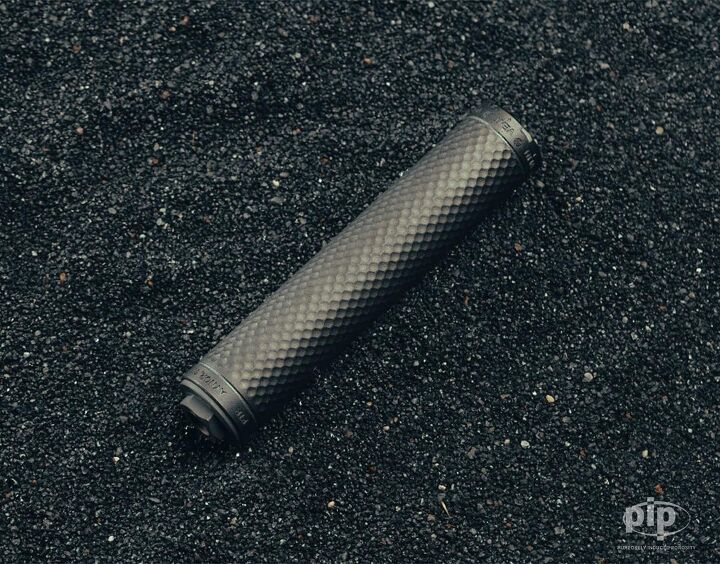
If “best” in your mind equals “most quiet,” then look no further. The PTR Industries Vent 3 suppressor, ever since its debut, is consistently the quietest suppressor on the market today. The white lab coat boys over at Pew Science have highly regarded this suppressor and other anecdotal evidence abounds throughout the industry on this model. Lastly, you are not sacrificing weight and size with this model to achieve ultimate suppression. This is still a modestly-sized suppressor that would aesthetically fit innumerable weapon platforms.
- Length: 7.75”
- Weight: 11.75 Oz
- Price: $1,499
- Intangibles: 3D Printed Monolithic Structure, Titanium, Full Auto Rated, and “Purposely Induced Porosity” to Vent Gases
Best Lightweight / Compact Option – Silencer Central Banish Speed K Ti
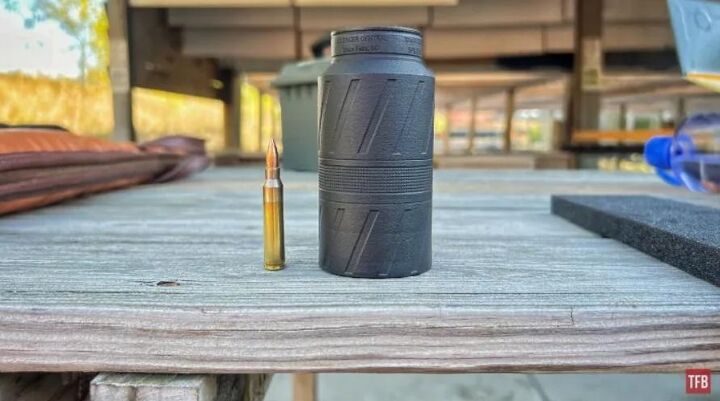
If you need to top off a PDW, a recce setup (reconnaissance rifle), or something else lightweight, there is nothing lighter and more agile than the Silencer Central Banish Speed K Ti. Being constructed of titanium with an incredibly unique, 3D printed baffle stack geometry, this suppressor achieves hearing safe shooting at an impressively small size.
- Length: 4”
- Weight: 8.6 Oz
- Price: $1,099
- Intangibles: Controlled Flow Technology, Minimizes Gas Blowback, Eliminates Muzzle Flash, 20.6 dB reduction, Lifetime Warranty
Best Multi-Cal .30 Suppressor on a 5.56 Host – Rugged Razor762
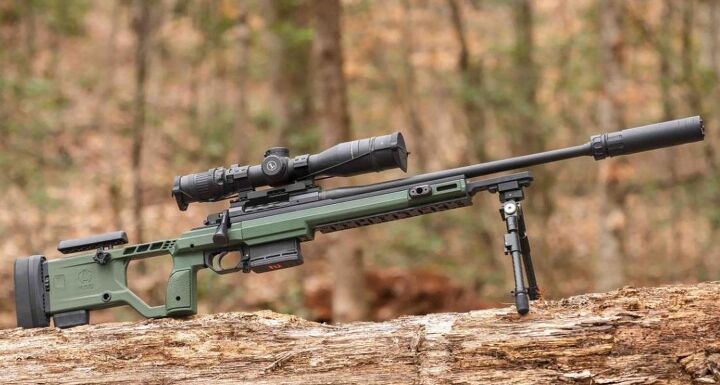
Optimized for compact suppression, when you’re running the Rugged Razor762 suppressor on your 5.56 NATO rifle and you’re more quiet than the rest of your shooting cadre, don’t tell them that you’re using a .30 Cal suppressor. Just leave them wondering how you have less gas, less noise, and a better shooting experience than all of them.
- Length: 7.5”
- Weight: 12.5 Oz
- Price: $916
- Intangibles: Belt-Fed Rated, Cobalt and Stainless, Lifetime Warranty, No Barrel Length Restrictions
Best Flow-Through Suppressor – Huxwrx Flow 556k
It should not come as a surprise that the company that coined the phrase “flow-through” is still the number one brand making flow-through suppressors. The Huxwrx Flow 556k is currently the best flow-through 5.56 suppressor on the market, and was also the first 3D printed flow-through suppressor as well. So, if gas blowback is a major concern for you, and you desire the cleanest shooting experience possible, then look no further.
- Length: 5.5”
- Weight: 12.9 Oz
- Price: $1,306
- Intangibles: The 1st and Best Company making Flow-Through Suppressors, Superior Toxic Fume Exposure Mitigation, Flash Reduction, Sound Reduction, and Recoil Reduction
The NFA Process: What to Expect
The NFA process shouldn’t even exist (that’s a story for a different day), but what we have to go through for suppressor ownership is slightly less arduous than it used to be. We’ll swiftly outline two common yet different pathways of purchase that people might be traveling down whether it’s their first or tenth suppressor purchase.
Individual Purchase Route
If you’re a lone wolf, don’t have an expansive family tree to inherent cool gun stuff, or simply want to keep your inventory to yourself, then an “individual” pathway of purchase makes the most sense. A $200 NFA fee no longer exists for silencers, SBRs (short barreled rifles), and SBSs (short barreled shotguns), but it is applicable for destructive devices and machine guns.
So, no additional money is needed on top of your silencer purchase. You will simply need two fingerprint cards (physical or digital) depending on if you’re doing a digital or paper submission. The timeline for approval of individual purchases is roughly 1-2 months at the moment.
Trust Purchase Route
This pathway of purchase gives you more freedom in allowing trustees of a trust to use silencers when you’re not around, and it forms a line of succession when you pass away. It also requires you to form a trust – either pay an attorney or craft one online in an automated fashion.
Again, there is no NFA fee for purchasing a suppressor this way, but there may be more incurred cost to your wallet in creating a trust for the first time. Additionally, you will need two fingerprint cards, passport photos, and a responsible person questionnaire (for each trustee). The timeline for trust approvals can vary based on how many people are on a trust, but generally, approvals are in the 2-6 month timeframe.
Common Mistakes When Buying Your First Suppressor
In closing, these are some common mistakes to avoid when purchasing your first suppressor. If you can avoid these, even if you don’t pick the perfect suppressor, you will likely still end up with a quality one regardless.
- Buying based on dB Numbers from Non-Standardized Tests: If the “books are cooked” on the decibel reduction rating for a suppressor, or the numbers achieved were done so in a non-scientific way, you might be buying vaporware – something that is wholly untrue or doesn’t perform as advertised. So, watch out for this.
- Ignoring Back Pressure on a Direct Impingement AR-15s: Don’t overlook how gassy AR-15s can be. If this isn’t a factor in your decision-making process, it should be.
- Not Budgeting for Mounts: If you dive in on a suppressor and are looking to create an ecosystem of QD mounts and muzzle devices, don’t forget how much they cost. If you need to buy a ½ dozen mounts, that could add an extra $500 to your potential budget.
- Buying a Dedicated 5.56 Suppressor when a .30 Cal would Serve You Better: While it is rare, there are situations where a .30 Cal suppressor can be better for you than a dedicated 5.56 suppressor. Don’t automatically assume a 5.56 suppressor is your best and only option.
- Chasing the “Quietest” when Hearing Safe is Hearing Safe: While having a spooky quiet suppressor is pretty rad, remember: hearing safe is hearing safe. You’ll never get your gun silent (truly). So, don’t spend an extra $1,000 for an extra 4 dB of noise reduction. It’s not worth it.
Below is a handy comparison table for all the 5.56 suppressors we’ve talked about, you can compare and contrast and see what fits your needs best!
5.56 Suppressor Comparison Table
| Suppressor | Category | Length | Weight | Price | Notable Features |
| Surefire Socom556-RC4 | Best Overall | 6.3” | 17 oz | $1,549 | 100% Inconel, Flow Dynamics, Low Back Pressure, Flash Mitigation, Suitable for 10.3” Barrels or Longer |
| Lyman Rekkr DT | Best Budget | 7.6” | 14.6 oz | $299 | Aluminum and Stainless Steel, Not Full-Auto Rated, Direct Thread, Knurled Exterior to Tighten or Loosen |
| Silencerco Saker ASR 556k | Best for SBRs/Short Barrels | 4.96” | 11.8 oz | $939 | Full-Auto Rated, No Barrel Length Restrictions, Accepts Muzzle Devices/Rear Caps, Direct Thread Option |
| PTR Industries Vent 3 | Quietest | 7.75” | 11.75 oz | $1,499 | 3D Printed Monolithic Structure, Titanium, Full Auto Rated, “Purposely Induced Porosity” to Vent Gases |
| Silencer Central Banish Speed K Ti | Best Lightweight/Compact | 4” | 8.6 oz | $1,099 | Controlled Flow Technology, Minimizes Gas Blowback, Eliminates Muzzle Flash, 20.6 dB Reduction, Lifetime Warranty |
| Rugged Razor762 | Best Multi-Cal .30 on 5.56 | 7.5” | 12.5 oz | $916 | Belt-Fed Rated, Cobalt and Stainless, Lifetime Warranty, No Barrel Length Restrictions |
| Huxwrx Flow 556k | Best Flow-Through | 5.5” | 12.9 oz | $1,306 | Superior Toxic Fume Exposure Mitigation, Flash Reduction, Sound Reduction, Recoil Reduction, 3D Printed Flow-Through Design |
So, get out there, make your guns quiet, and participate in your right to suppressor ownership. As always, let us know all of your thoughts in the Comments below! We always appreciate your feedback and engagement.