Recently, a US company called Royal Tiger Imports announced that it will start importing AK parts kits… from Ethiopia. That might sound weird to you, but for me, it was like hearing about an old friend that you once lost contact with.
I encountered plenty of Ethiopian-made AKs in Somalia and was probably the first gun writer to publish a detailed article about them. In fact, the article about Ethiopian AKs was my first submission to The Firearm Blog eight years ago, back when I first applied for the job. I never imagined I’d see those rifles enter the U.S. market — but here we are.
I remember my first visit to Mogadishu like it was yesterday. The destination wasn’t very popular, so we had to land in Djibouti to get additional passengers. The trip was exhausting, and when I arrived at a well-fortified camp, I was falling asleep. But one thing suddenly revived me like a double shot of espresso.
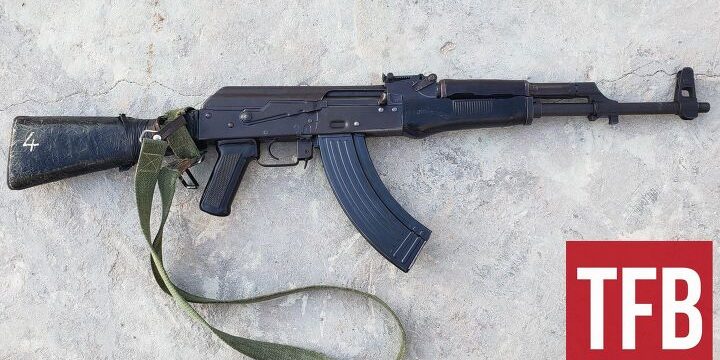
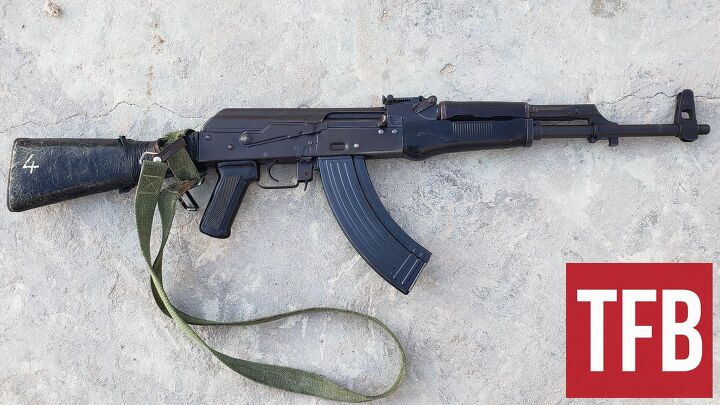
A guard entered the office container where I was dealing with paperwork, and I noticed he had an AK rifle with unique black plastic furniture. The stock had the letters GAEC and a star on it. I stared at it for a minute, but it didn’t look like anything I had seen before. Being a self-proclaimed AK expert, that hurt my feelings.
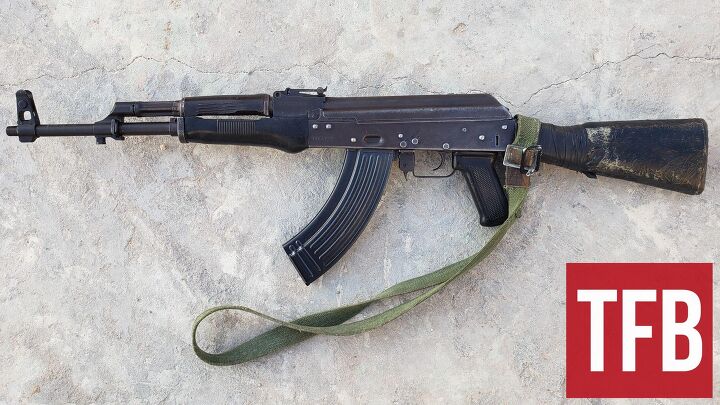
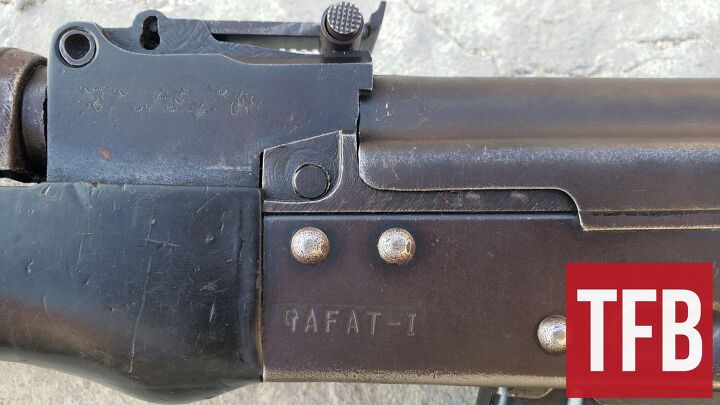
The next day, I inspected his rifle and found the factory marking on the left side of the receiver – GAFAT-I. Never before have I heard anything about this manufacturer or the fact that Ethiopia even makes firearms at all.
The markings on the selector were different on two guns I saw – the first had Roman numeral “I” for semi-auto and infinity sign for full auto. Another one had “A” for full auto and “S” for semi-auto. However, in both cases, markings were stamped quite far from where they’re supposed to be.
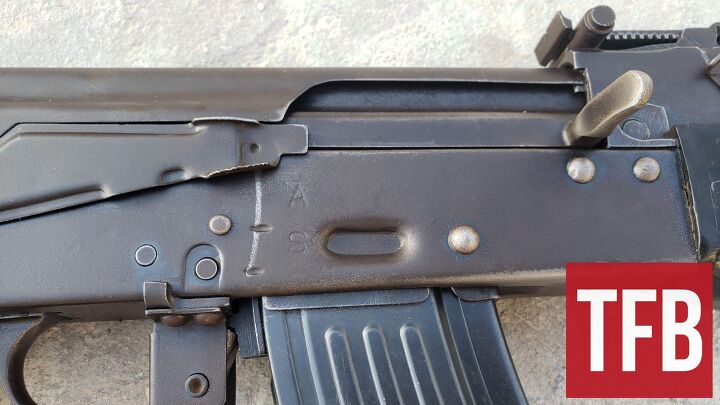
One rifle caught my attention. The front trunnion was wobbling inside the receiver, and I even made a video about it right on the spot. I called it “the rivet dance”.
In all my years of armorer work, I’ve never seen rivets being done so badly – they were flat, like someone tried to install them with a hammer and had no idea how it should be done.
I was wondering what would happen if I attempted to fire this gun, but I never got a chance. After my inspection, the rifle was decommissioned.
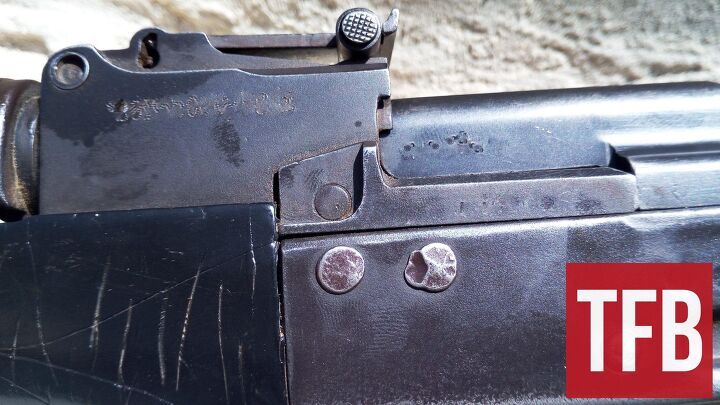
The origins of the Ethiopian guns remained unknown to me until one day, when I was staying at the dormitory of a Saudi arms factory and was just killing time, reading some old gun magazines. I came across Frank Iannamico’s article about North Korean AKs and realised that I’ve seen all those features before – on those GAFAT guns in Somalia.
Those strange GAFAT-1 rifles looked a lot like the North Korean AKM called Type 68 and had all the same features: the selector markings, the indentation above the magazine release, sling attachment loop on the gas block, trigger with two hooks, and 800-meter rear sight.
I was so happy, like a detective who solved the case, but there was nobody I could share it with in that Saudi dormitory – residents were not particularly interested in the peculiarities of the international arms trade.
Later on, I found a declassified CIA report from 1984 which stated that “North Korea has also offered to build a small arms factory in Ethiopia. Factory construction will begin in 1984, with completion planned for 1987”.
According to the information from the Gafat factory, construction was completed ahead of schedule in January 1986. Other sources state it was finished in 1989. Gafat’s main facility is supposedly located in the city of Bishoftu, just an hour’s drive from the country’s capital, Addis Ababa.
In the 80s, there was no UN embargo on the procurement of arms and technology from North Korea. That came later, in 2009, with UN Security Council Resolution 1874. So, in 1984, Ethiopia’s decision to procure military technology from North Korea was somewhat unusual, but it did not violate any laws. It certainly made sense from the economic point of view.
In 2008, the Ethiopian Chief of Defence Staff stated that “North Korean arms are inexpensive and North Korean help with arms manufacturing will allow Ethiopia to meet its obligations in UN peacekeeping missions and its strategic interests in Somalia”. Turns out, Ethiopia was buying North Korean guns and manufacturing technology not only because it is cheap, but also because they wanted to better support world peace and UN efforts. Very honorable indeed.
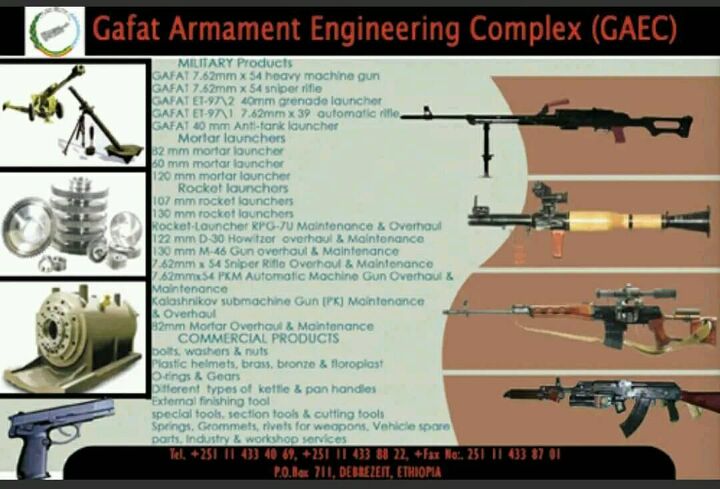
The same general also stated that by 2008, North Korean advisors were leaving the factory, and Gafat could produce AKs without foreign assistance: “North Koreans have now finished their work and are leaving the Gafat factory near Debre Zeit, (…) the ENDF can now produce AK-47s fully themselves. Now, Chinese workers are in Debre Zeit to overhaul tanks, which also boosts Ethiopian capacity”.
Considering that 20 years ago, North Koreans were already leaving the factory, it is unlikely that now GAFAT is connected to North Korea in any meaningful way.
Ethiopian AKs are certainly not the best Kalashnikov rifles out there. But they do have a unique and fascinating history, and I am sure the gunsmiths in the US will do a better job putting them together than Ethiopian factory workers. So I am kinda excited that parts that I never expected to see outside of Africa will be available at the US civilian market.